Current State of Overwatch and What’s Next?
By LOLValue Team · September 18, 2025
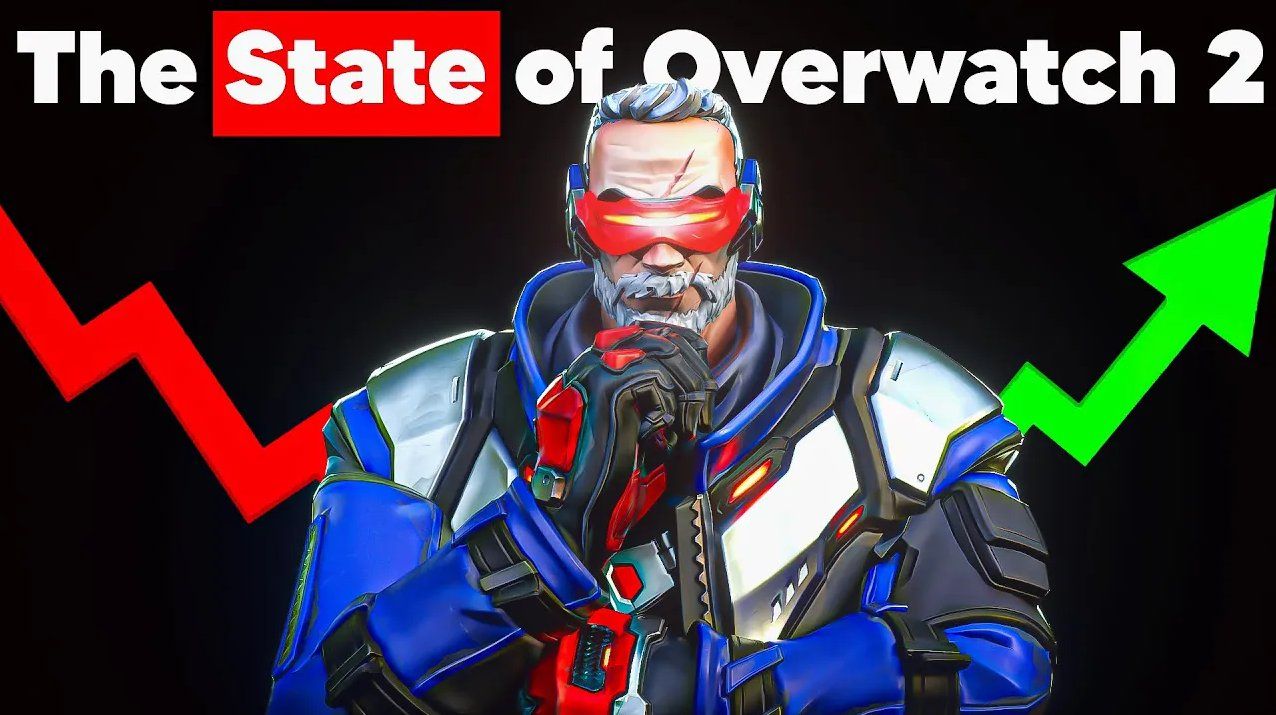
Few games in recent memory have had the cultural impact of Overwatch. When Blizzard released the hero shooter in 2016, it redefined team-based gameplay and inspired countless competitors. At its peak, the game had tens of millions of players and a thriving esports league. But nearly a decade later, Overwatch has faced challenges. Player numbers dipped after the release of Overwatch 2, and community feedback has been mixed. As the developers push forward, fans are asking: what’s next for Overwatch? For players who enjoy combining strategy with fast-paced action, platforms like DraftKings show how long-term vision and continuous innovation can keep audiences engaged.
The Current State of Overwatch
Today, Overwatch 2 has stabilized after its rocky launch, but numbers are not as strong as in its golden era. It has seen declines in active users on Steam since 2023. Despite this, Blizzard has kept adding new heroes, maps, and seasonal events, keeping the core fan base engaged. While critics argue the transition to free-to-play has created issues with monetization, the game still boasts one of the most recognizable brands in modern gaming.
Blizzard’s Roadmap and Promised Features
Blizzard has laid out a roadmap that includes new heroes, rebalanced gameplay, and additional maps. Hero releases have been a consistent way to generate excitement, but the studio now faces pressure to innovate further. As the Overwatch Blog highlights, developers are working on both competitive improvements and social features to make the experience more rewarding. Seasonal events like Halloween Terror and Winter Wonderland still bring energy to the community, and more crossovers or large-scale events could be a way forward.
Blizzard has also teased future technology integrations. For example, improved matchmaking algorithms could help balance casual and competitive play, while new spectator features could improve the viewing experience for fans. These quality-of-life updates may not grab headlines but could significantly improve long-term engagement.
Addressing Community Concerns
One of Blizzard’s biggest challenges has been community trust. Many players felt disappointed when the promised PvE campaign was scaled back. This has left fans questioning whether Blizzard can deliver on its long-term promises. Transparent communication and consistent updates will be key to rebuilding goodwill. Regular balance patches and open developer notes could help reassure players that their feedback is being heard.
There are also concerns around monetization. The shift to a free-to-play model brought battle passes and cosmetic bundles that some players consider overpriced. While this is common across the industry, Blizzard must ensure that rewards feel fair and that gameplay is never compromised by aggressive monetization. Building goodwill here could strengthen player retention.
The Role of Esports
The Overwatch League was once hailed as the future of esports, with franchise teams, city-based branding, and millions in investment. But interest has declined in recent years, with shrinking viewership and organizations leaving the league. For Overwatch to thrive competitively, Blizzard may need to rethink its esports model. Smaller, grassroots tournaments and community-driven events could reignite excitement in a way that large, costly leagues have struggled to maintain.
Esports also play a crucial role in marketing. Games like Valorant have gained visibility through frequent tournaments and highlight-worthy pro play. If Blizzard can adapt its esports strategy, Overwatch could once again become a staple on Twitch and YouTube, inspiring casual players to log back in.
Competing in a Crowded Market
Overwatch no longer dominates the hero-shooter space alone. Games like Valorant, Apex Legends, and even Fortnite offer strong alternatives. To stay relevant, Overwatch must lean into what makes it unique colorful heroes, accessible gameplay, and an emphasis on team coordination. Blizzard can also expand into new markets by improving mobile compatibility or experimenting with new modes that appeal to casual players.
Another factor is streaming culture. Content creators drive much of the attention for live-service games. If Blizzard provides stream-friendly tools such as replay systems, custom game modes, or spectator options it could attract influencers back to the game and amplify its reach.
Opportunities for Growth
Looking ahead, Overwatch has several opportunities to reignite its momentum:
- Expanding PvE content: Even if the original campaign vision was scaled back, story-driven missions could deepen engagement.
- More innovative events: Seasonal modes with unique rules could keep the gameplay fresh.
- Better onboarding for new players: Tutorials and guides could help new audiences feel less intimidated.
- Crossovers and collaborations: Partnering with other Blizzard franchises or even outside IPs could spark renewed interest.
Mobile and cloud gaming: Optimizing for emerging platforms could open the door to entirely new audiences worldwide.
Overwatch is no longer the undisputed king of hero shooters, but it is far from irrelevant. With millions of players still active and a recognizable brand that stretches beyond gaming, it has the tools to remain a significant part of the industry. To do so, Blizzard must address community concerns, innovate with content, and rethink its esports approach. If the developers deliver on their roadmap and recapture the creativity that made the original game a phenomenon, Overwatch could find a second life and continue to inspire gamers worldwide.
More from the LOLValue blog
LoL account value calculator · LoL skins database · LoL MMR checker · Wasted on LoL · Riot Points to USD
LoLValue isn't endorsed by Riot Games and doesn't reflect the views or opinions of Riot Games or anyone officially involved in producing or managing Riot Games properties. Riot Games, and all associated properties are trademarks or registered trademarks of Riot Games, Inc.