The Grind Is the Game: How Ranked Systems Shape Player Behavior
By LOLValue Team · May 19, 2026
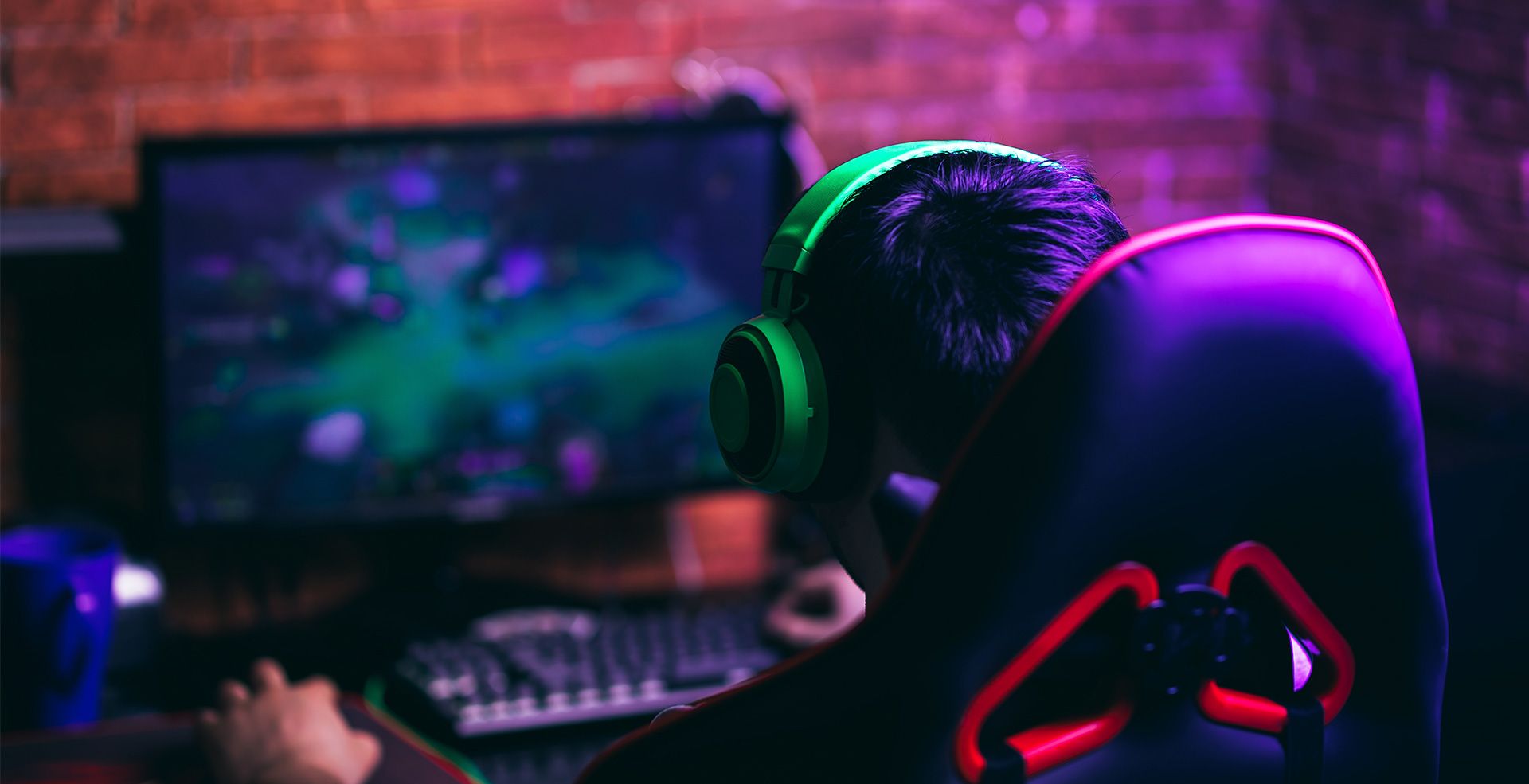
Spend enough time in League of Legends, Valorant, or Apex Legends, and you start to realize something important: the grind isn’t just part of the game, it is the game. Ranked modes are designed to test not just how well you can perform in a single match, but how consistently you can operate within a system over time.
That’s what makes climbing both rewarding and frustrating. It’s not about one great play or one lucky win streak. It’s about adapting your behavior to fit the rules of the system and delivering results again and again.
Ranked Systems Are Behavioral Systems
At a surface level, ranked modes measure wins and losses. But underneath, they are behavioral systems. They reward certain habits and punish others.
Players who:
- manage risk instead of forcing plays
- communicate effectively
- maintain discipline under pressure
tend to climb. Those who rely on impulse or inconsistency often plateau. This isn’t accidental. Systems like MMR and ELO are built to filter out randomness and highlight sustained performance. Over time, your rank reflects how you behave, not just how you play in isolated moments.
The Early Climb vs the Real Climb
Many players experience quick progress early on. A few good games, a strong champion pick, or favorable matchmaking can push you up the ladder. But then things slow down.
The “real climb” begins when the system starts testing consistency. At this point, progress requires:
- better decision-making
- controlled aggression
- awareness of long-term outcomes
Players who don’t adjust their approach often get stuck here. It’s no longer enough to play well occasionally, you have to play well consistently.
Decision-Making Over Mechanics
Mechanical skill matters, but it’s rarely the deciding factor at higher levels. What separates players is how they make decisions.
Do you engage at the right time?
Do you rotate effectively?
Do you know when to back off?
These choices define performance more than raw aim or reaction speed. In games like Valorant or LoL, one poor decision can swing an entire match. The players who climb are those who reduce mistakes, not just those who create big plays.
Discipline and the Tilt Factor
Every competitive player has experienced tilt. A bad loss, a toxic teammate, or a string of unlucky games can quickly lead to frustration. The problem is that tilt changes behavior. It leads to over-aggression, poor decision-making, and loss of focus. Ranked systems punish this heavily. A few emotional games can undo hours of progress.
That’s why discipline is so important. The best players treat each match as part of a larger system. They don’t chase wins, they follow a process, manage their decisions, and stay within the limits that keep their performance stable over time.
As players spend more time in these environments, they begin to understand that progression isn’t about short bursts of success, but about operating effectively within defined limits. That same mindset shows up in other structured, performance-based systems, where some choose to start trading crypto via Breakout, working within rules like performance targets, risk controls, and drawdown limits that determine whether they can scale their positions or maintain access to capital. In both cases, success depends on staying disciplined within the system rather than reacting emotionally in the moment.
In both cases, consistency, not emotion, is what drives advancement.
Learning to Play Within Constraints
Every game has constraints. Cooldowns, economy systems, map design, and team roles all limit what players can do at any moment.
At first, these constraints can feel restrictive. But over time, they become tools.
Players who improve are those who:
- understand their role within the team
- manage resources efficiently
- make decisions based on available information
Instead of fighting the system, they learn to work within it.
The Meta and Adaptability
No competitive game stays the same. Balance patches, new content, and evolving strategies constantly shift the meta. Players who succeed are not just skilled, they are adaptable. They adjust their approach without abandoning their core discipline.
This balance is critical. Too rigid, and you fall behind. Too reactive, and you lose consistency. The best players evolve while maintaining structure. According to Riot Games, regular updates and balance changes are designed specifically to keep gameplay dynamic and encourage players to continuously refine their strategies rather than rely on static approaches.
Why Consistency Wins
Highlight plays are exciting, but they don’t define rank. A player who performs well occasionally but struggles with consistency will always be outperformed by someone who delivers steady results.
Ranked systems are designed to reward this. Over enough games, randomness fades, and consistency becomes the deciding factor. This is why climbing feels like a grind. It requires sustained effort, not just moments of brilliance.
A Broader Perspective on Competitive Systems
The design of ranked systems reflects a broader principle in competitive environments: long-term performance matters more than short-term success.
According to the PlayStation, competitive gaming systems are built to encourage skill development, discipline, and repeatable performance, ensuring that progression reflects sustained ability rather than isolated outcomes. This is what makes ranked play meaningful, and challenging.
The grind isn’t just something players endure, it’s the core of how ranked systems work. Every match contributes to a larger evaluation of performance.
Players who succeed are those who adapt their behavior to the system. They manage risk, stay disciplined, and focus on consistency over time. In the end, ranked play isn’t about proving you can win once. It’s about proving you can perform, again and again, within the rules of the game.
More from the LOLValue blog
LoL account value calculator · LoL skins database · LoL MMR checker · Wasted on LoL · Riot Points to USD
LoLValue isn't endorsed by Riot Games and doesn't reflect the views or opinions of Riot Games or anyone officially involved in producing or managing Riot Games properties. Riot Games, and all associated properties are trademarks or registered trademarks of Riot Games, Inc.