Hidden Secrets of Valorant Maps That Pro Players Don't Share
By LOLValue Team · October 21, 2025
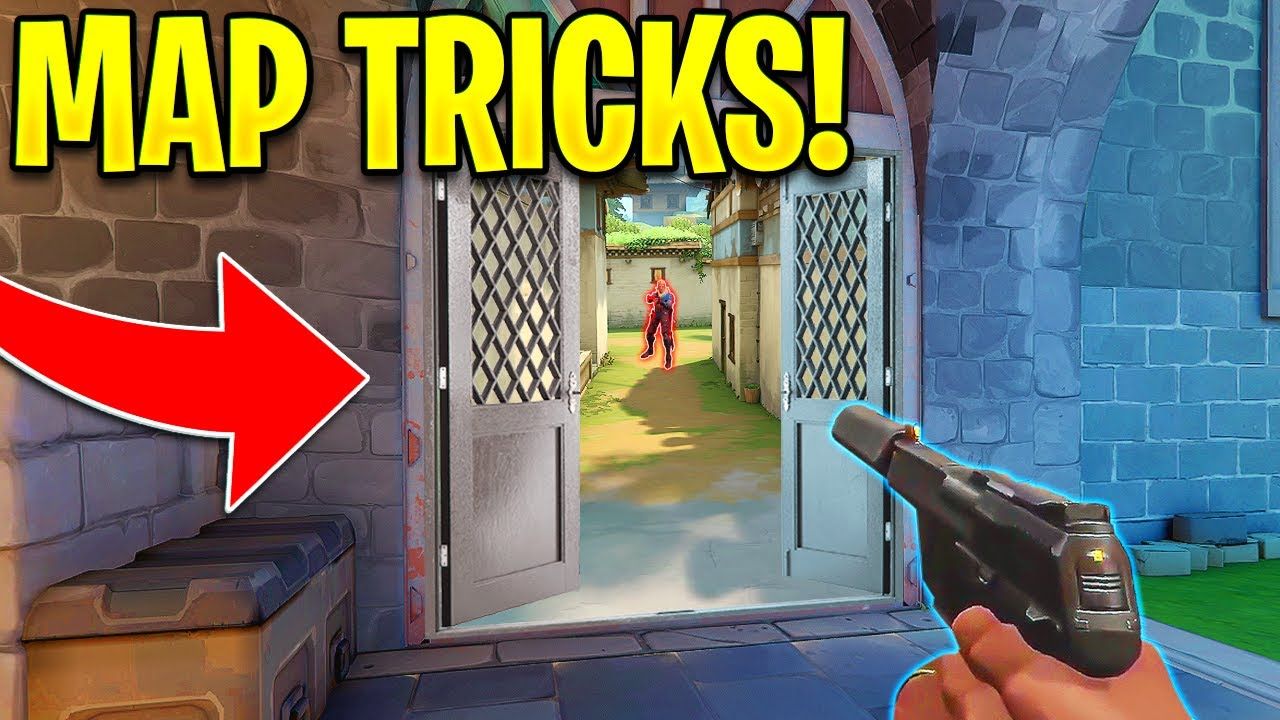
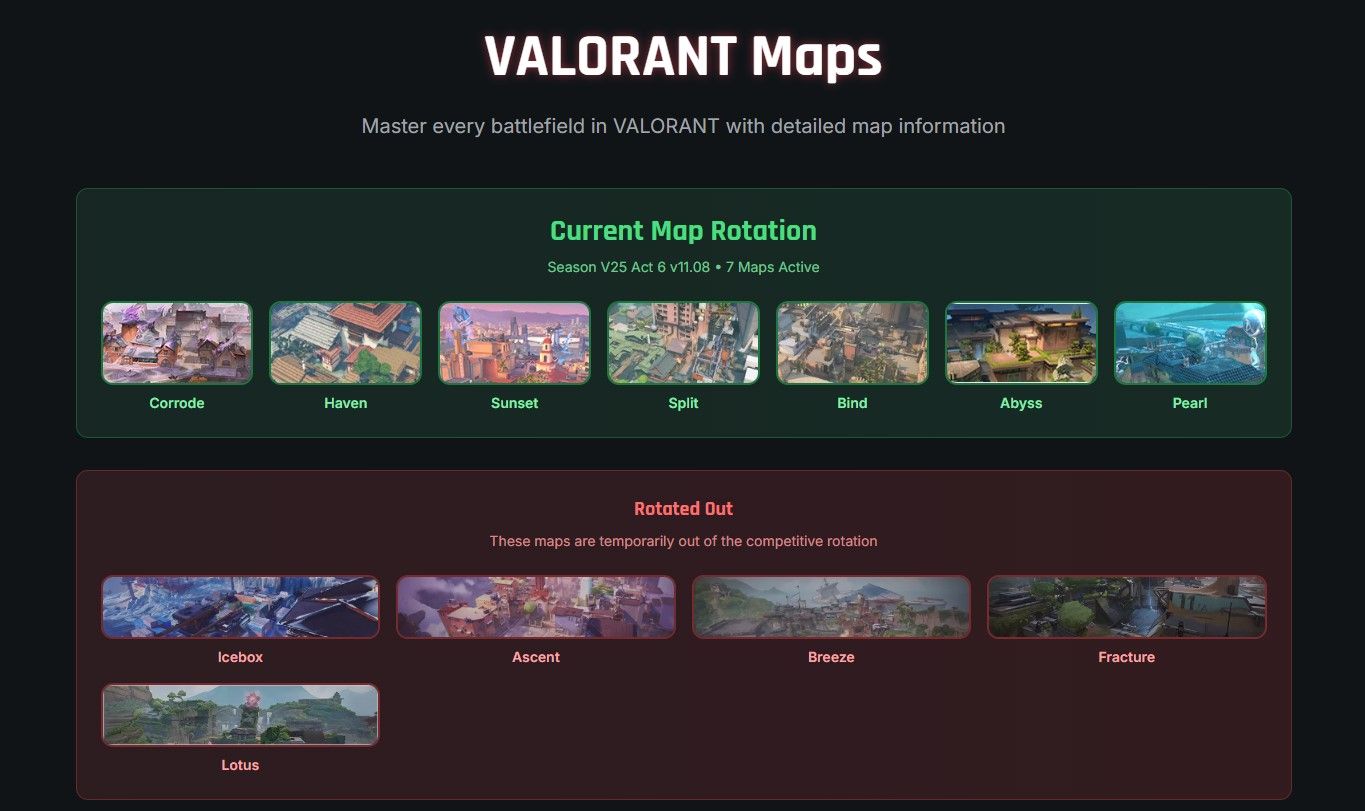
Valorant maps determine the strategic foundation of competitive play, with Riot maintaining exactly seven maps in the active competitive pool at any given time. The current roster includes 18 total playable maps: 12 designed for standard matches, 5 exclusively for Team Deathmatch, and one dedicated practice map. What sets Valorant apart from other tactical shooters is its willingness to break conventional design rules Haven's three-site layout completely abandons the traditional two-site structure that defines most competitive maps.
Professional players don't dominate because of superior aim alone. Their advantage stems from mastering map mechanics that most players never discover. Valorant's active competitive rotation features Abyss, Ascent, Bind, Corrode, Haven, Lotus, and Sunset, with Riot updating this pool every Act beginning with Season 2025: Act 1. This seven-map system creates a perfect balance for professional tournaments, allowing equal bans in best-of-three and best-of-five matches without forcing map replays. The most striking aspect of these maps is their statistical balance attacking and defending win rates hover remarkably close to 50% across maps like Sunset, Corrode, and Haven.
This guide reveals the tactical advantages that separate professional players from the rest of the competitive ladder. Beyond basic callouts and common angles, these strategies focus on map-specific mechanics, agent synergies, and strategic approaches that can instantly elevate your gameplay. The techniques covered here represent years of professional analysis distilled into actionable knowledge for serious competitors.
The Real Reason Pros Dominate Certain Maps
Professional dominance on specific maps extends far beyond mechanical skill. The true advantage lies in their systematic approach to understanding Valorant maps at a level that casual players rarely achieve.

How map familiarity gives a hidden edge
Mastering Valorant maps requires intimate knowledge of every angle, rotation, and strategic chokepoint. Professional players dedicate hundreds of hours to learning optimal sightlines, unconventional hiding spots, and the fastest possible rotations between sites. This extensive preparation allows them to predict enemy movements with remarkable accuracy and develop counter-strategies before rounds even begin. Professional teams also conduct detailed match review sessions, analyzing footage to identify positioning patterns and rotation timings that went unnoticed during live gameplay.
The foundation of professional map control centers on several key principles:
- Mid-area dominance that provides access routes to both bomb sites
- Strategic utility deployment to block crucial sightlines and deny enemy information
- Chokepoint control that forces attackers into predictable engagement patterns
- Rotation timing optimization based on reading enemy intentions and map presence
Video analysis has become essential for professional map mastery. Teams evaluate their map utilization effectiveness, identify critical mistakes in rotation sequences, and refine their approach to territorial control.
Professional players understand that Valorant map stats represent more than numbers they reveal pressure points, rotation vulnerabilities, and environmental advantages that determine round outcomes.
Why Some Maps Favor Specific Playstyles
Each map in Valorant's competitive rotation has been designed with distinct characteristics that naturally favor certain approaches to the game. Breeze rewards long-range precision and positional awareness through its expansive sightlines, making it a paradise for players who excel at long-distance engagements. Split takes the opposite approach, with its vertical design elements creating opportunities for agents who can exploit elevation advantages.
Professional teams have developed highly specialized compositions through thousands of hours of competitive analysis. This explains why certain agents consistently achieve the highest win rates on their optimal maps. The most notable examples include:
- Sova on Ascent functions as the primary intelligence gatherer, with his reconnaissance abilities perfectly suited to the map's geometry
- Chamber on Pearl excels through its combination of precision weaponry and tactical mobility options
- Viper maintains near-universal selection on Breeze in professional play, as her abilities were practically designed for the map's layout
The diversity across Valorant's map pool ensures that every playstyle has its optimal battleground, whether players prefer precision shooting, tactical lurking, or creative utility usage. Professional teams recognize that controlling specific map areas directly correlates with round victories, regularly executing coordinated plays to secure high-ground positions and critical chokepoints while using agent abilities to eliminate enemy sightlines.
This strategic understanding of map-agent synergy provides the competitive edge that separates professionals from skilled amateurs. Top teams meticulously analyze how individual agents interact with specific map features, creating team compositions that maximize effectiveness in particular environments. Mastering these professional agent selections provides significant advantages in ranked play, regardless of which map appears in the rotation.
8 Hidden Map Secrets Pros Use To Win More
Professional players exploit map mechanics that remain invisible to most competitors. These tactical advantages separate elite players from those stuck in lower ranks.
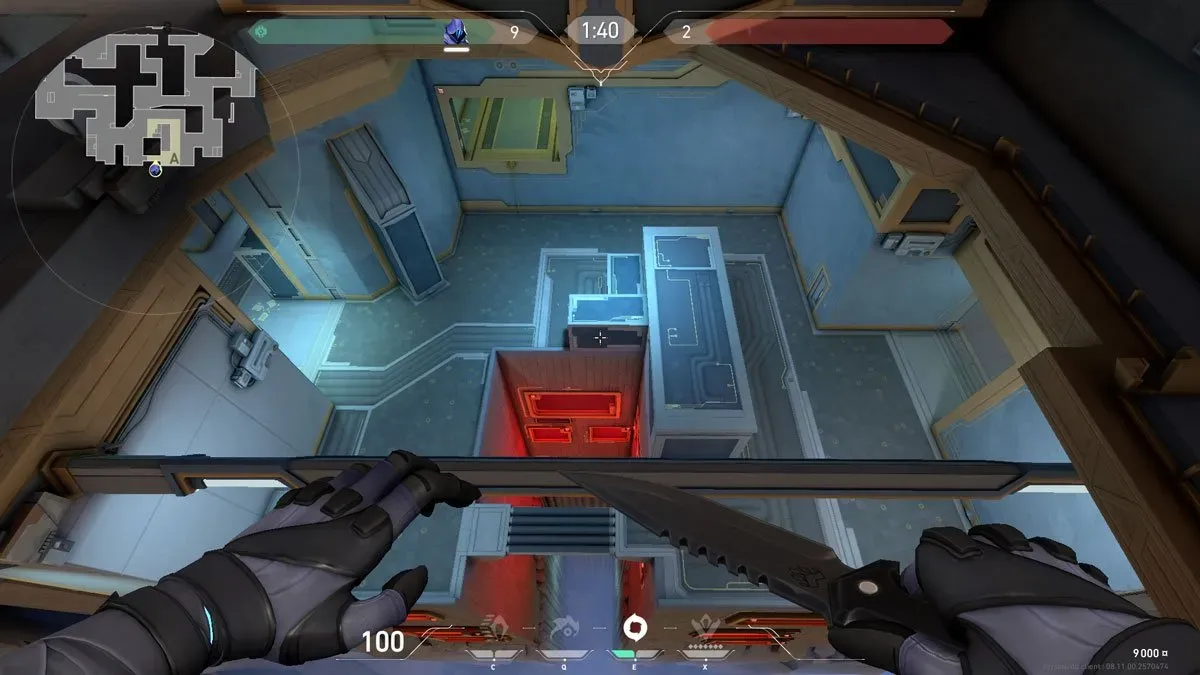
1. Using verticality for unexpected angles
Icebox demonstrates the most complex vertical design among Valorant's competitive maps. Height differences across this map fundamentally alter engagement dynamics beyond traditional horizontal combat. Professionals maintain constant awareness of vertical angles, creating three-dimensional gameplay that catches opponents unprepared. Elevated positions like A Nest (reached via zipline) and B Platform offer superior sightlines that transform standard defensive setups into dominant control points.
2. Exploiting sound cues in tight corridors
Audio manipulation defines the gap between average players and professionals. Valorant's interactive elements generate distinct sound signatures that skilled players weaponize strategically. Breaking glass in Ascent's A Garden creates positional uncertainty for defenders. Rope climbing sounds on Icebox and Haven become misdirection tools rather than simple movement audio. Door interactions on Breeze and Fracture apply psychological pressure, forcing opponents into defensive repositioning without confrontation.
3. Mastering mid control for site flexibility
Mid-map control determines round outcomes across every competitive map. Split demands Sage walls blocking mid access every defensive round to prevent attacker splits. Ascent requires Brimstone smokes to control the central area as a fundamental strategy. Professional teams recognize that mid control dictates both round pace and site accessibility lose mid control, lose round flexibility.
4. Leveraging agent-specific lineups
Certain agents achieve extraordinary effectiveness on particular maps. Raze dominates Split with an impressive 50% win rate through her synergy with the map's claustrophobic design. Blast Pack mobility enables instant site rotations that capitalize on Split's vertical elements. Chamber's Rendezvous teleportation creates high-risk, high-reward opportunities on Bind, allowing aggressive peeks followed by immediate repositioning to safety.
5. Using map geometry to bait rotations
Fake executions and strategic noise generation manipulate enemy rotations effectively. Professional teams execute utility throws on one site while directing the actual spike push through mid, forcing defensive rotations that open the intended target site. This strategy proves especially potent on larger maps like Breeze, where rotation times create extended vulnerability windows. Lotus's rotating door mechanics offer additional deception opportunities, triggering door sounds without traversing creates auditory misdirection.
6. Timing spike plants with map audio
Spike audio provides critical timing information that professionals track precisely. The beeping pattern follows specific intervals: one beep per second for 25 seconds, doubling to two beeps between 25-35 seconds, accelerating to four beeps at 35-40 seconds, then eight rapid beeps until detonation. Professional teams position themselves according to these audio phases, timing peeks, and rotations based on defuse windows. Fake spike taps generate identical audio cues, drawing defenders into disadvantageous positions.
7. Controlling zipline zones for fast flanks
Icebox's horizontal zipline system represents pure risk-versus-reward gameplay. These ziplines provide near-absolute A-site control but create extreme vulnerability during transit. Professionals utilize ziplines only during confirmed enemy distractions or when opponent positions are verified through utility. Strategic timing transforms high-risk movement into decisive tactical advantages that casual players rarely execute properly.
8. Using off-meta agents for surprise plays
Counter-meta agent selections disrupt opponent preparation and create strategic uncertainty. Rather than following established tier lists for agent selection, professionals deploy unexpected picks that address specific map challenges. This approach proves especially effective against teams that study standard compositions extensively. Agent selections that counter conventional wisdom force opponents to adapt their strategies mid-match, creating psychological and tactical advantages.
How Map Design Influences Agent Picks
Riot's map designers deliberately craft environments that reward specific agents and punish others. This intentional design philosophy creates a strategic layer that separates professional teams from casual players who ignore map-agent synergy.
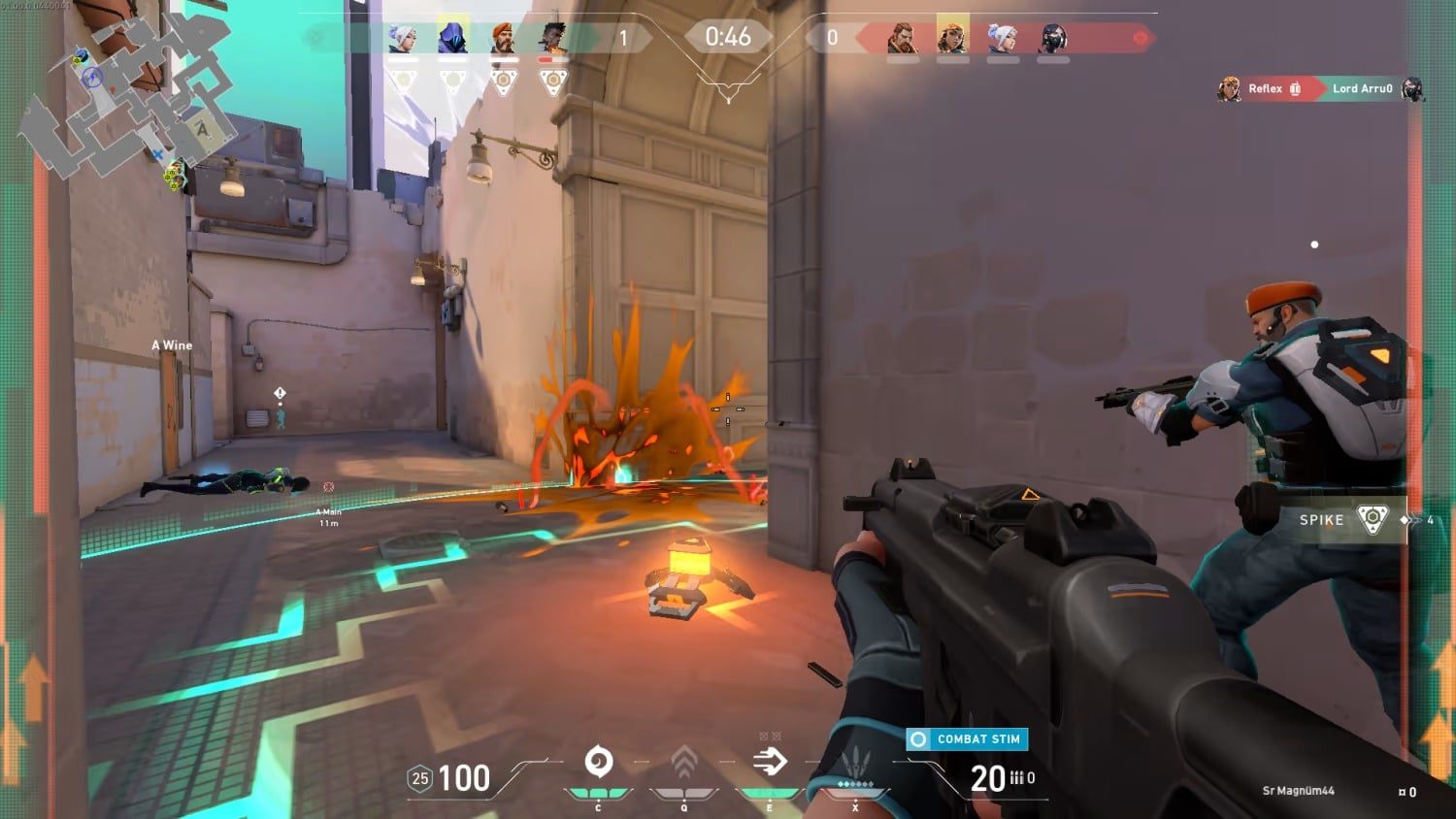
Why are some agents stronger on certain maps
Map architecture determines agent viability more than individual skill levels. Extensive vertical elements like Icebox naturally favor mobile agents such as Jett and Raze, whose movement abilities gain tremendous value. Breeze demonstrates this principle perfectly. The map's wide open areas were practically designed with controllers like Viper in mind, as her Toxic Screen can cut off multiple sightlines that dome smokes simply cannot cover.
Map size creates another critical factor in agent effectiveness. Larger maps with multiple entry points demand information-gathering initiators, while smaller, claustrophobic environments favor agents with area denial capabilities. This relationship between map structure and agent abilities forms the foundation of professional team composition.
Examples of agent-map synergy (e.g., Sova on Ascent)
Professional Valorant has established certain agent-map combinations as virtually mandatory. Sova on Ascent represents the most obvious example of his Recon and Shock Bolts delivering exceptional value through the map's spammable walls and geometric layout. Professional Sova players have perfected specific lineups for maximum effectiveness:
- The A Garden recon dart that reveals enemies rotating from A to mid via market
- B-site lineups that expose multiple crucial spots, including the market and door switch
Raze achieves similar dominance on Split due to her abilities complementing the map's tight corridors and vertical elements perfectly. Meanwhile, Viper has become virtually mandatory for Icebox's B-site, where her wall and poison cloud create powerful one-way advantages.
How pros build comps around map features
Professional teams construct their lineups by identifying critical map control points and selecting agents capable of dominating them. On Ascent, teams prioritize mid control above all other objectives, making Sova's information-gathering abilities and KAY/O's suppression utility essential for success.
The most reliable Ascent composition has evolved into Sova, KAY/O, Jett, Killjoy, and Omen, a combination that excels at securing and maintaining mid control. This lineup provides optimal balance between information gathering, entry potential, site anchoring, and smoke control.
Bind showcases a different approach, with professionals adopting double-controller systems featuring Brimstone and Viper, completely sacrificing sentinel utility to maximize space control and post-plant advantages. These strategic adaptations demonstrate how elite teams prioritize map-specific demands over conventional wisdom or individual preferences.
The Truth About Valorant Map Pool and Rotations
Riot's map rotation system operates on strategic principles that most players never fully grasp. The decision-making process behind which maps stay or leave competitive play reflects months of data analysis and community feedback.
How Riot Decides Which Maps Stay or Go
Riot maintains the seven-map pool philosophy because it strikes the optimal balance between strategic variety and skill mastery. Joe Lansford, Valorant's Lead Map Designer, explained that "The team thinks seven is a nice sweet spot that offers both variety and mastery". This approach prevents the overwhelming complexity that larger map pools create for both casual and professional players.
The "deterministic map system" Riot implemented specifically targets map repetition complaints. Rather than pure randomness, the system analyzes each player's last five matches, eliminates any map played twice by any player in the lobby, and then selects the least-played option from the remaining pool. This mathematical approach reduced three-game map streaks to just 0.06% of all matches.
Why Pros Practice Even Removed Maps
Professional teams understand Riot's pattern of reintroducing maps after renovation periods. Even when maps like Breeze disappear from active rotation, top-tier teams maintain their tactical knowledge because these battlegrounds inevitably return with adjustments.
Tournament scheduling creates additional complications for professional preparation. When Breeze was pulled from VCT Masters Reykjavik, professional coaches noted that "four weeks is not enough time to practice a new map" when accounting for travel schedules. This reality forces teams to stay sharp on benched maps.
Impact of map pool changes on ranked meta
Map rotations create immediate shifts in agent selection patterns across all skill levels. Each addition or removal forces players to reassess their agent pools and tactical approaches. Riot attempts synchronization between ranked and professional play, though ranked changes sometimes precede VCT adaptation by over a month.
Recent map modifications prioritize dynamic site engagements over long-range dueling. Pearl's B-site redesign eliminated "the deep sightline from B Long" while repositioning cover to "encourage more direct engagements on the site itself". These targeted changes ensure competitive maps continue evolving based on professional play data rather than community sentiment alone.
What The Stats Don't Tell You About Map Win Rates
Valorant map statistics present only surface-level information about competitive performance. The numbers displayed on stat-tracking websites rarely capture the tactical complexity that determines actual match outcomes.
Why win rates can be misleading
Standard win rate percentages aggregate data across all skill levels, creating distorted impressions of map balance. Maps showing 50/50 win rates in overall statistics might heavily favor attackers at Immortal and Radiant ranks due to superior team coordination. Conversely, maps with apparent defender advantages often reward coordinated attacking strategies when executed by skilled teams.
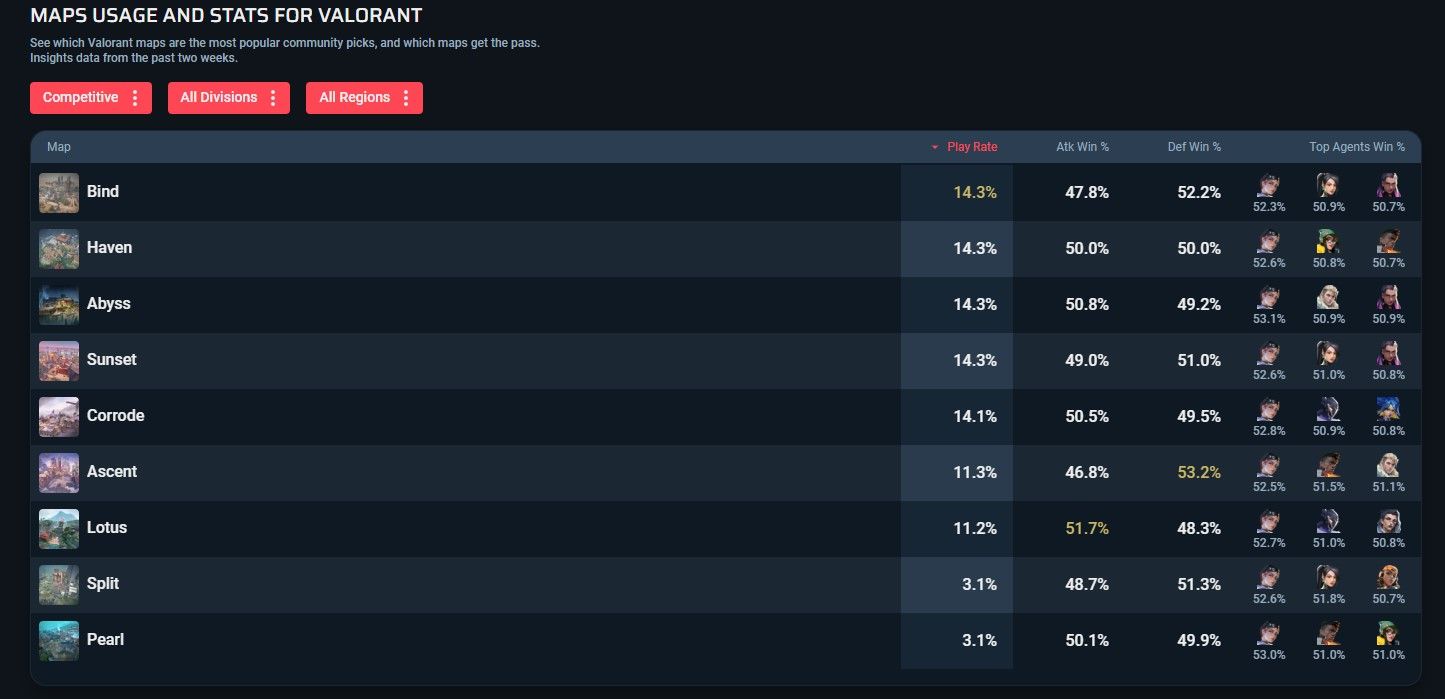
The rank distribution problem becomes even more significant when considering that the majority of players remain concentrated in Silver through Platinum ranks. These lower-tier matches follow completely different tactical patterns compared to high-level competitive play, making aggregate statistics misleading for serious competitors.
How pro teams interpret map stats differently
Professional coaching staff analyzes map data through frameworks that casual players never consider. Beyond basic attacking and defending win rates, pro teams examine:
- Time-to-plant statistics by individual bomb site
- First-blood correlation with round victories
- Economic round performance separated by map side
- Agent-specific win rates per bomb site location
Top-tier coaches construct detailed statistical models that reveal tactical patterns invisible to average players. These analytical approaches frequently contradict popular community tier lists, as professional teams identify advantages in maps that casual players dismiss as unbalanced.
Valorant maps tier list vs. real performance
Community tier lists often reflect perceived difficulty rather than actual competitive viability. Maps commonly rated as "unbalanced" or "bad" by casual players sometimes demonstrate exceptional statistical balance at professional levels. The disconnect occurs because community ratings focus on individual frustration rather than team-based strategic potential.
Sunset and Lotus exemplify this pattern perfectly. Both maps receive mixed community reception yet deliver consistently balanced competitive experiences for teams willing to develop proper strategies. Your individual success on any given map depends more on your agent pool and tactical understanding than on community consensus about map quality.
Valorant map mastery extends far beyond mechanical execution or basic callout memorization. Professional players maintain their competitive edge through systematic understanding of map mechanics, agent synergies, and tactical positioning that most players never develop. The techniques covered in this analysis represent the fundamental differences between average-ranked performance and professional-level play.
Agent selection based on map-specific advantages creates measurable improvements in win rates. Ascent's geometric layout naturally favors Sova's reconnaissance abilities, while Icebox's vertical design demands mobility from agents like Jett or Raze. These agent-map relationships form the foundation of professional team compositions and directly impact round outcomes.
Mid-area control remains the single most important strategic element across all seven competitive maps. Teams that establish mid dominance control rotation timing, site access, and information flow throughout each round. This principle applies consistently whether analyzing professional matches or high-level ranked games.
Statistical analysis reveals deeper patterns than basic attacker-defender win rates suggest. Professional teams examine site-specific plant success, economic round performance, and agent effectiveness per bomb site location. These metrics provide significantly more actionable intelligence than surface-level statistics available to casual players.
Riot's seven-map competitive rotation system maintains strategic depth while preventing oversaturation. Maps that leave active rotation typically return with adjustments, making continued familiarity with removed maps valuable for serious competitors.
The competitive advantage in Valorant comes from map knowledge application rather than raw mechanical skill. Professional secrets like vertical positioning, sound manipulation, and geometric angles create consistent performance improvements that translate directly into rank advancement. The most successful Valorant players understand battlefield dynamics as thoroughly as they understand their crosshair placement.
More from the LOLValue blog
LoL account value calculator · LoL skins database · LoL MMR checker · Wasted on LoL · Riot Points to USD
LoLValue isn't endorsed by Riot Games and doesn't reflect the views or opinions of Riot Games or anyone officially involved in producing or managing Riot Games properties. Riot Games, and all associated properties are trademarks or registered trademarks of Riot Games, Inc.