How Animation Shapes Player Experience in League of Legends and Beyond
By LOLValue Team · May 27, 2025
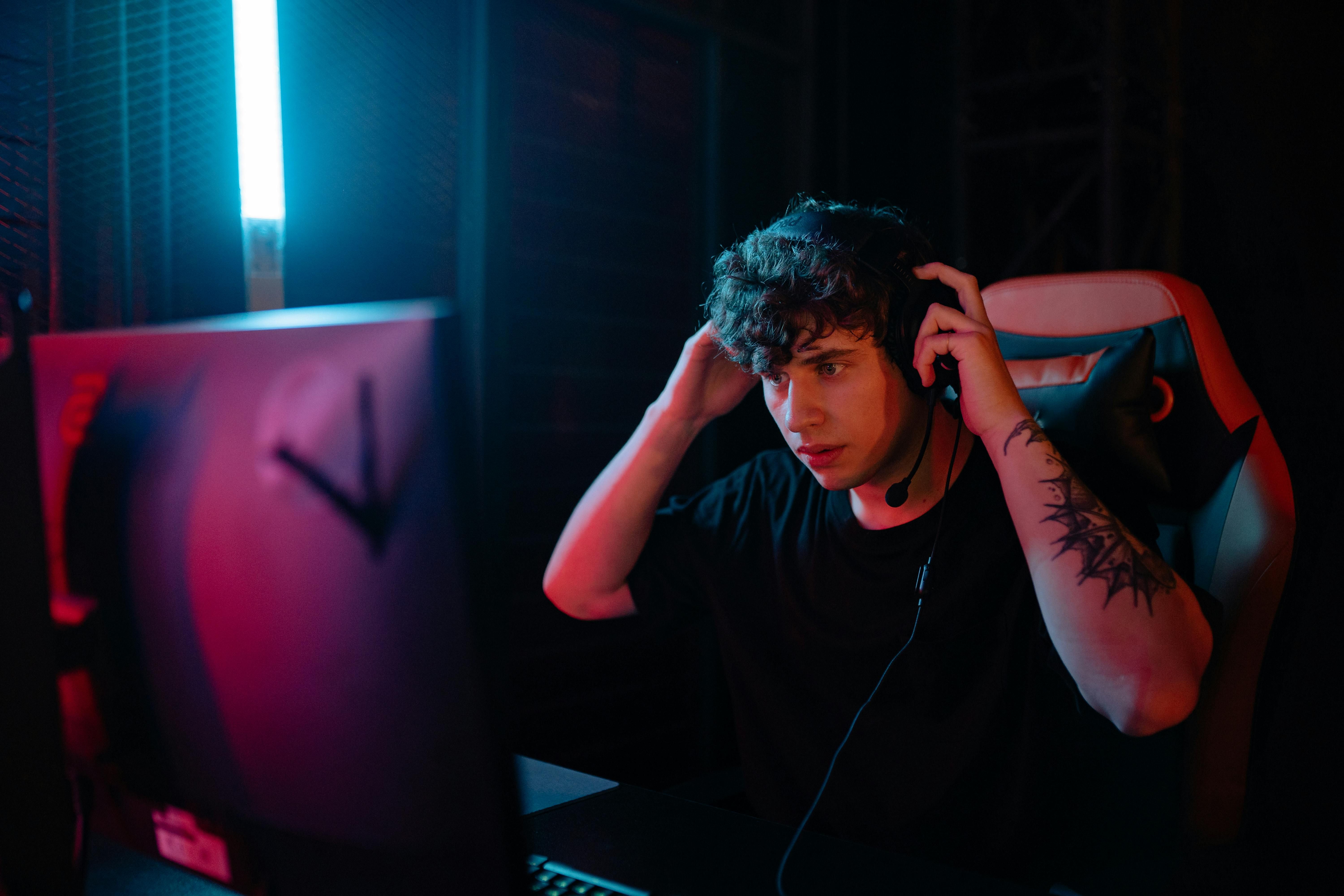
In League of Legends, every champion move, ability cast and skin design is powered by animation—and it’s not just for show. Players often stick with or abandon champions based on how they feel to play and animation plays a key role in that "feel." Smooth visual feedback creates a stronger sense of control and connection, which keeps players coming back.
Riot Games understands this well: when the champion Viego launched, his fluid movement and attack animations boosted his pick rate by 14% in ranked solo queue in the first month. Beyond MOBAs, online casinos also rely heavily on animation to keep players engaged. From spinning reels to animated dealer interactions, it's clear: good animation isn't just eye candy—it directly affects how players engage, spend and stay.
Animation Drives Engagement
In League of Legends, animation connects gameplay with emotion. Every ability has a visual rhythm. A clean auto-attack reset, a snappy dash, or a fluid spell cast all give players feedback that they’re doing something right. Animation tells you when it’s safe to engage or when to run. That feedback loop is core to the satisfaction of playing.
A champion like Yasuo is a good example. His smooth dash mechanics and fluid attack chain make him popular, even if he's hard to master. The animation gives a sense of speed and control that’s addictive. When those animations are tight, responsive and polished, players feel powerful. Clunky or slow animations, even if balanced, make champions feel unplayable. Developers constantly tweak these to improve usability and satisfaction.
Animations Build Brand Identity
League of Legends isn't just a game—it's a brand. Animation plays a huge role in that. From login screens to skin releases and event trailers, every piece of visual content is crafted to feel uniquely “League.” Skins like PROJECT: Zed or Star Guardian Jinx aren’t just cosmetics—they’re entire visual packages. Particle effects, ability animations, idle poses and even death sequences are all customized to fit the skin’s theme.
This level of polish increases sales. Riot reports that skins with completely overhauled animations outsell basic skins by up to 60%. It’s not just about looking cool—it’s about creating a complete, immersive experience. Players are more likely to buy and play champions whose animations feel rewarding.
This philosophy isn’t exclusive to Riot. Online casinos follow similar logic. Slot games with engaging animations, such as moving reels, celebratory win sequences and interactive bonus rounds, perform significantly better. If you're interested in exploring that and want to find casino bonus offers to understand how they attract players, you can feel free to start. Studies show that animated casino games have up to 30% higher retention rates compared to static versions. Visual feedback enhances excitement, which leads to longer sessions and more engagement.
Clarity Matters More Than Flash
A flashy animation isn’t always a good animation. Developers aim for clarity first. In a fast-paced game like League, players need to read situations quickly. That’s why ability animations often have color-coded effects or visual markers to signal range, direction and damage type.
For instance, Lux’s ultimate, Final Spark, has a long wind-up and a large, bright beam. It looks impressive, but more importantly, it signals a high-impact moment. You know when it's coming and it’s clear where it hits. That’s not just helpful—it’s necessary. Visual clarity is tied directly to fairness in competitive play.
Riot even updates older champions with new animations to meet modern standards. A good example is the rework of Udyr. His stances were redesigned to match his spiritual theme, but more importantly, to make each stance's effect instantly visible. These changes improve both aesthetic appeal and gameplay performance.
Animations Teach Without Words
Good animation isn’t just fun to watch—it teaches players how to play. Visual cues help with timing, spacing and predicting enemy behavior. A champion like Ahri uses visual trails on her Q (Orb of Deception) to show both forward and return paths. This isn’t just stylish—it helps players understand her mechanics.
In newer player onboarding, Riot relies heavily on animation to guide behavior. Tutorials use visual prompts like glowing objectives or animated arrows to move players naturally. The idea is to reduce reliance on reading and let players “feel” what to do next. It’s visual language in action.
Casino games use the same idea. Many don’t rely on lengthy rules or text-heavy instructions. Instead, flashing icons, animated arrows and pop-up animations lead the player toward bonuses or features. This makes games easier to pick up and more enjoyable, especially for casual users who want instant fun.
Competitive Edge Through Responsiveness
In high-ELO League of Legends matches, milliseconds matter. Animation syncing with gameplay is crucial. When an ability feels delayed or unresponsive, it can ruin a play. Developers invest in frame-perfect timings to make sure animations match input.
Champion reworks often focus on this. For example, when Aatrox was updated, Riot tightened his ability animations to improve responsiveness. His Q had a clearer swing arc and faster execution. This gave players confidence to use him in faster-paced situations.
Responsiveness also plays a big role in casino mini-games and live-dealer environments. The animation of cards being dealt or dice rolling needs to sync perfectly with real-time input. Laggy or poorly timed animations break immersion and reduce trust—two things no gaming platform can afford to lose.
More from the LOLValue blog
LoL account value calculator · LoL skins database · LoL MMR checker · Wasted on LoL · Riot Points to USD
LoLValue isn't endorsed by Riot Games and doesn't reflect the views or opinions of Riot Games or anyone officially involved in producing or managing Riot Games properties. Riot Games, and all associated properties are trademarks or registered trademarks of Riot Games, Inc.