How In-Game Soundscapes Influence Player Perception
By LOLValue Team · December 12, 2025
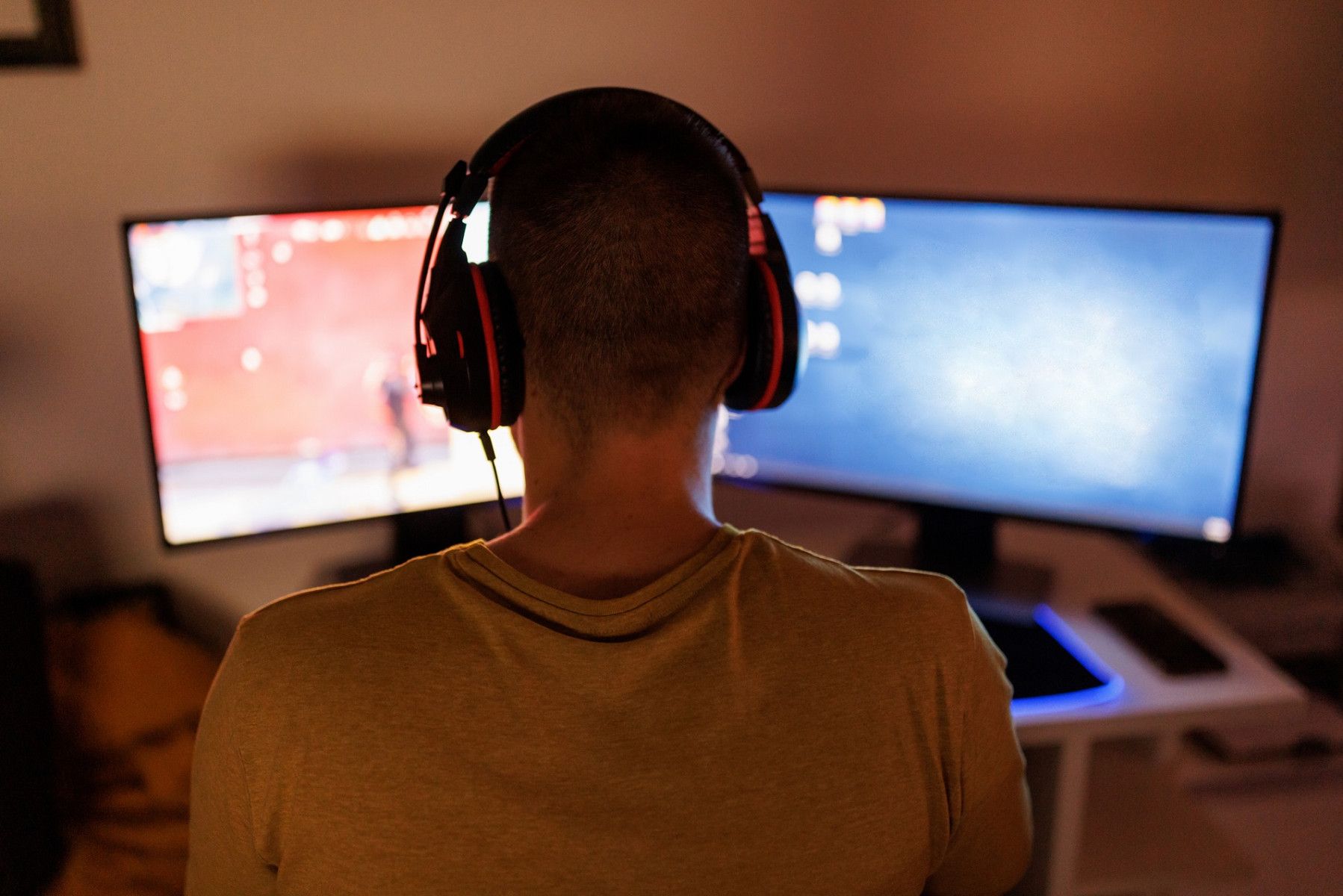
Sound design in games is a lot more than just pleasant background music. The effects can be subtle, but they help players understand the space around them, what is happening, and how they should react. Modern sound design uses layered techniques such as ambient audio, spatial mixing, and reactive cues to build clearer, more realistic environments. These techniques matter across genres, from shooters to RPG titles, and even digital casino games, where sound can be crucial for attention and pacing. Let’s take a look at some of the specific ways sound can influence games, and why it matters for players.
Building the Environment Through Ambient Sound
Ambient audio is the base layer of most soundscapes. It tells players what kind of place they have entered before they even touch the controls. Designers often mix environmental sounds like distant chatter, wind, machinery, or wildlife to add a feeling of realism to games. In large open-world titles, slight shifts in ambient layers can signal a change in weather or game state, guiding the player without text or UI.
This effect also appears in digital casino games, where the goal is to create a familiar atmosphere. When players explore online casinos available in California, they may notice that designers use soft table sounds, card flicks, and slot machine chimes to give the impression of a physical venue. These audio choices help players understand the pace of each activity without relying on visual cues.
Spatial Audio and Directional Awareness
Spatial audio helps players understand distance, direction, and threat level. This technique places sounds in a 3D mix, so footsteps, voices, or other environmental sounds will be heard from a specific direction when players use headphones or a quality sound system. First-person and third-person action games rely heavily on this effect because it builds awareness faster than vision alone.
For example, in a League of Legends match, distinct directional audio helps players instinctively predict where enemies are located. A clear cue like Malphite’s approach or the charge before Lux fires her ultimate gives players information even when the champion is just off-screen. If players want to build their way up to collecting rare mythic and prestige skins, it is vital to understand how to use sound cues to improve game performance.
Reactive Audio Cues and Player Feedback
Reactive audio connects a player's actions with immediate sound feedback. This includes simple confirmations, such as a soft click when a menu item is selected, as well as more complex systems like dynamic music that shifts during gameplay. These cues help players understand whether they made the right input or if the game state has changed.
League of Legends uses reactive audio to support clarity in fast encounters. Shields, heals, crowd control, and major abilities all produce distinctive sounds. These cues help players track cooldown use and confirm whether abilities landed. This is a great tool to use in the chaos of a game, where pausing for even a second to search for visual information could get you eliminated.
Emotion Through Music and Tone
While functional audio guides movement and decisions, music can bring out an emotional response in players. Composers adjust tempo, volume, and instrumentation to match the pace of play. Slower ambient tracks promote calm exploration, while tense strings or percussion signal that danger is close. When players game safely and responsibly, video games can be a fantastic emotional outlet, and music is just one way that these games connect to players.
Role-playing games often shift music between exploration and combat phases. This can help players connect more to the storylines. For example, bittersweet music during an important character death will make the player feel the emotion in that moment on a deeper level, which creates a more memorable gaming experience.
How Does Sound Differ Across Genres?
Different genres rely on sound in different ways. Horror games lean on silence as much as noise, allowing small sounds to stand out and create tension. When players creep through dark hallways in Silent Hill, a distant sound does not convey excitement at meeting a new friend; it gets players’ pulses racing.
Action-heavy genres rely on clear directional audio to track threats. Hearing footsteps around the corner is a good thing, because it might mean you have noticed the enemy first. Across all genres, the goal is clarity. Good sound design gives players a sense of place, helps them predict events, and encourages them to respond emotionally to key story moments.
Sound Continues to be Key to Game Design
Sound design is central to how players understand and interpret interactive spaces. Ambient layers set tone, spatial audio improves awareness, and reactive cues provide reliable feedback. Different genres apply these techniques in ways that suit their pacing and goals, from fast tactical play to steady casino-style experiences. When used well, sound helps players follow the action, understand timing, and stay focused. It transforms a digital scene into something that feels clear and readable, even when everything is built from code.
More from the LOLValue blog
LoL account value calculator · LoL skins database · LoL MMR checker · Wasted on LoL · Riot Points to USD
LoLValue isn't endorsed by Riot Games and doesn't reflect the views or opinions of Riot Games or anyone officially involved in producing or managing Riot Games properties. Riot Games, and all associated properties are trademarks or registered trademarks of Riot Games, Inc.