How League of Legends has achieved sustained success and the tactics other game developers have mimicked
By LOLValue Team · May 25, 2026
In 2025, over 20,000 new video games were launched on Steam, the main distribution platform for PC. Analysts estimate that up to 90% of those titles failed, largely due to the industry’s rapid turnover, a lack of visibility, and the constant shifting of player attention.
Despite fierce competition and constant technological advances in the gaming world, sustained success is not an impossible dream. In 2009, Riot Games released League of Legends (LOL), a multiplayer online battle arena video game that has become one of the clearest examples of sustained success in modern gaming history.
League of Legends Facts:
- Monthly Active Users (MAU): Estimates range from 120–150 million
- Daily Active Users: Around 30–40 million unique players log in daily
- Concurrent Players: Over 1 million players online at peak times
- Annual Revenue: Estimated at around $1.8 billion
- The Esports World Championship recorded a peak of 6.75 million concurrent viewers
The game has not only remained culturally and commercially relevant for over a decade, but it continues to evolve and maintain its massive global player base in the face of ever-growing competition.
In this article, we’ll take a look at how the key strategies behind League of Legends’ longevity have become a blueprint for game developers worldwide, and examine how the wider industry has adopted them.
Live-Service Model as the Foundation of Longevity
League of Legends pioneered the live-service model in mainstream PC gaming. Unlike traditional boxed games with one-time purchases and finite content, the developers, Riot Games, offered the full game for free and monetised it through features such as cosmetic skins, champions, and battle passes. This "games-as-a-service" approach emphasised long-term player engagement over annual sequels, and proved that sustainable revenue could support a game for decades.
Esports Ecosystem and Competitive Integrity
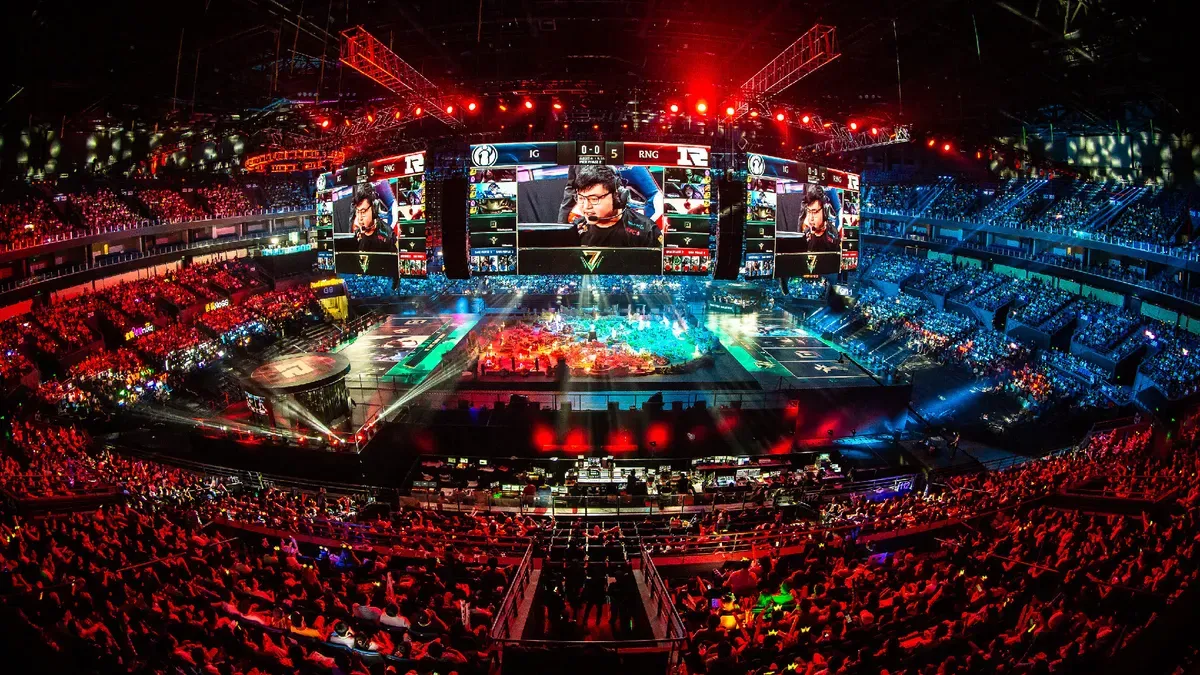
League of Legends boasts one of the most structured esports ecosystems in gaming, with events taking place in sold-out arenas. The leagues develop talent, crown regional champions, and feed into international competitions such as First Stand and MSI.
The annual World Championship regularly draws millions of viewers from around the globe with a prize pool of $5 million on offer in 2025. These popular events help maintain global visibility, attract new players, and keep the game culturally relevant amongst its audience.
Tournaments are treated extremely seriously, with Riot enforcing a strict Global Code of Conduct that guarantees fairness and transparency. This builds trust amongst fans who appreciate watching gamers showcase their tactical and technical skills on the biggest stage.
Data and Industry Insight Integration
The key to any successful game is data. Without it, developers and publishers cannot respond to consumer trends or ensure player satisfaction. Online casinos have a list of online slots using this data, while gaming companies track player retention and engagement in live-service titles, analyse monetisation performance across cosmetic ecosystems, and measure the impact of esports on game longevity and revenue.
Regular Content Updates and Meta Evolution
Consistent content updates are a key feature of the game’s success, with a schedule of patches released each year. These fix bugs, create new or reworked champions and include new items, skins, runes, and much more besides. The game also follows a seasonal structure, which introduces fresh narratives, events, role quests, map tweaks, and limited-time modes.
However, Meta Evolution in League of Legends has been one of the key factors behind its success. The Meta (most effective tactics available) constantly changes due to frequent balance patches that ensure no single strategy or champion dominates indefinitely, forcing players to adapt and keeping the game fresh.
This constant evolution forces players to adapt and rediscover the game, creating an ecosystem where experienced players remain challenged, and newcomers are able to find suitable points of entry.
The key industry-wide adoptions inspired by League of Legends
- Live-service seasonal models: League of Legends has popularised seasons and continuous updates through patches, timed events, and rotating content. The model has been widely adopted by popular titles such as Fortnite and Apex Legends.
- Battle pass monetisation systems: League of Legends approach to progression-based rewards within limited-time windows has heavily influenced other titles. Today, battle passes are a common sight in competitive games, offering publishers predictable revenues while maintaining player engagement.
- Esports integration: Modern gaming titles now have spectator features, balance systems, and ranked modes as standard. Creating a successful Esports environment that helps grow their games globally.
- Cosmetic-first revenue strategies: League of Legends focused on monetising skins, emotes, and visual upgrades, not on game winning advancements. Their success proved that games could be profitable without affecting gameplay balance. Today, titles now prioritise cosmetic purchases as their main revenue stream.
League of Legends continues to lead the way
LOL has shown that a live-service model, strong esports ecosystem, and regular updates played a key role in its longevity. Since its launch in 2009, the game has led the way in multiplayer game design, proving that sustained success depends on long-term engagement strategies.
In a market that is constantly evolving, as technology improves and competition increases, developers looking to create the next big gaming success story should explore how these design principles continue to shape the future of multiplayer games.
More from the LOLValue blog
LoL account value calculator · LoL skins database · LoL MMR checker · Wasted on LoL · Riot Points to USD
LoLValue isn't endorsed by Riot Games and doesn't reflect the views or opinions of Riot Games or anyone officially involved in producing or managing Riot Games properties. Riot Games, and all associated properties are trademarks or registered trademarks of Riot Games, Inc.