Launch Day Isn’t the Finish Line for Games Anymore
By LOLValue Team · August 26, 2026
Launch day used to be a big deal. Excitement filled gamers as they waited to get their hands on a disc or cartridge. Then they would buy it, pop it into their chosen console (or PC) and play the game. Opinions formed based on what they encountered, and by and large, that’s how they stayed.
However, as MOBA titles like League of Legends became popular, the spectacle and excitement of launch day began to wane. The line that existed between launch and what came after used to be clear, but times have changed. Take a bit of time away from League of Legends, and everything looks different when you come back. It might look the same on the surface, but underneath, the game has moved on—and it isn’t waiting for players to keep up.
The rise of digitization in gaming and the popularity of live service games raise the question of whether launch day still carries the same weight it once did.
League of Legends Never Sits Still
League of Legends is a great case study in the decline of launch-day hype because Riot Games treats the game like a living project rather than a finished title. In 2026 alone, the roadmap has 24 numbered patches scheduled at bi-weekly intervals through the year. That update pace means the game is never more than 14 days away from some kind of adjustment.
The scheduled adjustments often cover more ground than many players expect. The most visible changes are champion buffs and nerfs. Still, there are also changes made to items, runes, objectives, and in some cases, entire game modes. Skins and themed events are introduced alongside mechanical changes and the consistent deployment of quality-of-life adjustments, often driven by user requests.
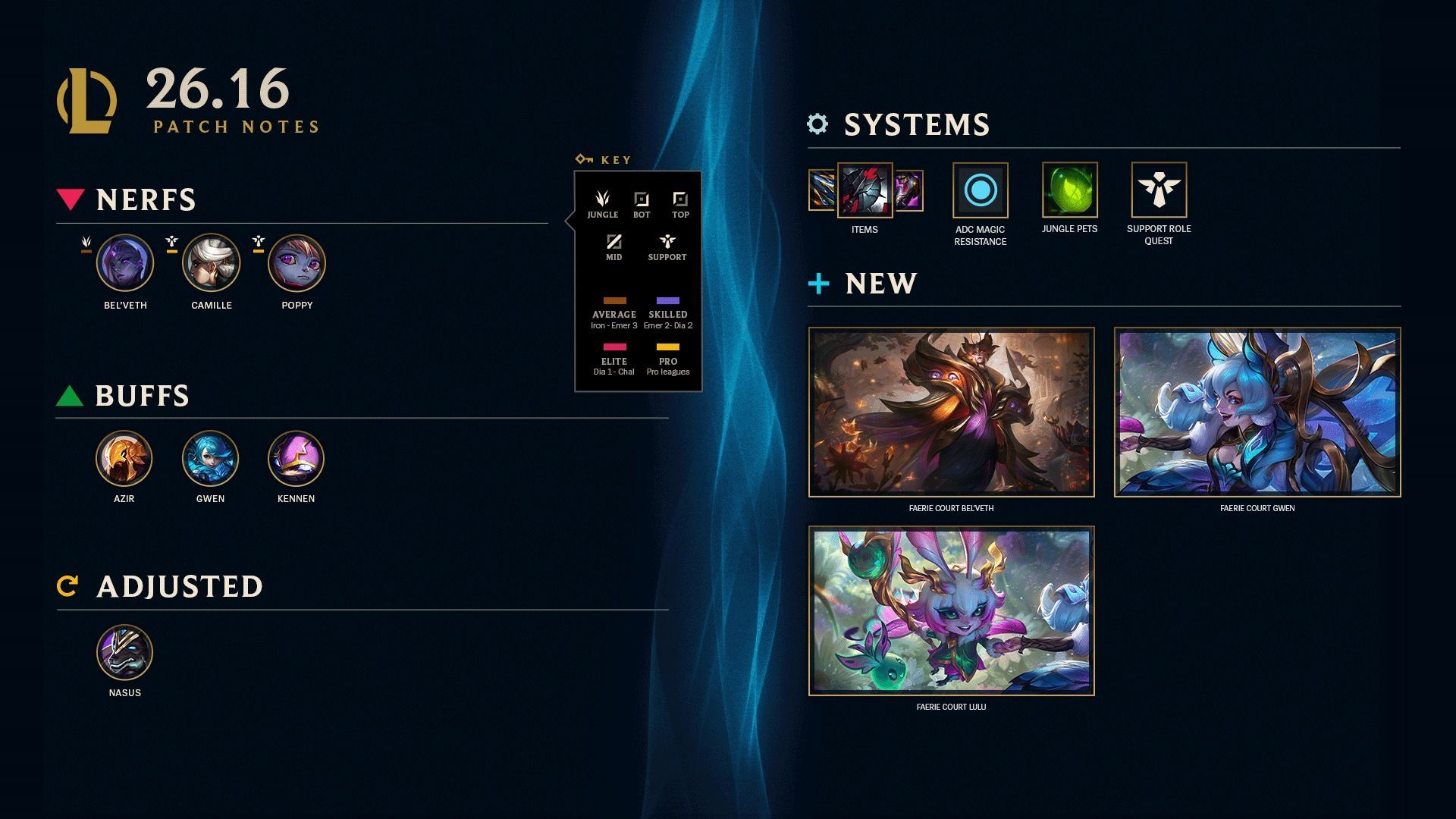
Take patch 26.16 as an example. It went live in August 2026 and moved the needle in several ways. Azir, Gwen and Kennen were buffed while Bel’Veth, Camille and Poppy were all toned down somewhat. The patch also reworked how ADCs deal with early game magic resistance. While none of these adjustments changed the game’s core client that you need to download, they did alter how the game feels, particularly for experienced players.
It’s hard to judge a game that moves this fast from its launch-day condition. A gamer who takes time away might load a file that looks the same on the surface, but underneath, it’s as good as playing a new game with the same name.
Growth Now Comes From Updates, Not New Releases
Back in the day, games were improved and updated through sequels. A studio released a game, watched its sales, read the feedback and considered how gamers played it. Then they spent time incorporating that information, along with complaints, bugs and general issues, into a direct sequel or a new title. That was a slow process that could take several years. Live service games offer something different. Instead of shipping a new game, developers update the existing one, giving players a reason to hang around.
This approach has real advantages, as it lets developers adjust to player feedback in near real time; new updates can launch in weeks instead of years. Since how developers expect games to be played and how gamers actually play them can differ, live service games also let developers create updates that are in line with how players experience and interact with the game. This approach means a single title can stay relevant for a decade or more without needing to be replaced.
The live service approach also makes the player more involved in the games they love. When changes are requested or problems are discussed in forums and on social media, quick developer turnaround makes players feel heard.
However, the rapid rate of updates also means new players may struggle with barriers to entry. Finding a way into a game with several years of champion releases, system reworks and an entrenched meta isn’t easy, especially with a dedicated player base already ahead of the curve. Additionally, developers use regular updates to launch new skins, items or even themed game modes. This makes updates slightly more unpredictable and can lead to unrest among serious players who would rather see improvements and issues fixed than mere cosmetic changes.
What Counts as a Launch Now
Games still celebrate launch day, but it is no longer the be-all-and-end-all moment in the title’s life cycle. Day-one patch releases are common; major updates, season resets and the introduction of new modes breathe new life into games and create a fresh starting point for players who were either no longer playing or who felt the existing content was getting stale.
When looking at a game, most players no longer ask whether a sequel is available or in development. Instead, they ask how recent releases have affected the game. Has the rank ladder suddenly shifted from underneath everybody? What are the strongest champions currently? Did any of the updates fix the real problem I had last time I played? For League of Legends players, patch release notes aren’t niche reading reserved for hardcore fans. Rather, they form an ongoing public record that keeps everybody up to speed with what has changed. Skipping them means risking walking into ranked with no idea what has changed or what is waiting for you.
That said, it is also important to understand that developers cannot call every patch release a “relaunch.” That would be unfair, because balance tweaks and minor bug fixes are something modern live service gamers expect to happen with little to no announcement. However, large updates that touch the game’s core systems deserve celebration, as they give lapsed players a reason to take a second look.
The Same Pattern Shows Up Across Digital Platforms
This continual release pattern isn’t unique to League of Legends or even the video game niche. Digital entertainment in all forms is familiar with the demands of consistent improvement and delivery.
The ability to roll out updates and game changes as needed allows game platforms to deploy thematic or seasonal content on a somewhat predictable cycle. Streaming services will update their catalogs and discovery algorithms to bring new films and shows to people’s attention, or to roll out Halloween or Christmas movies when the season is right. The same is true in the coverage of new trends across Canada’s casino industry or America’s online sportsbooks, which follow a similar pattern in an adjacent space, tracking how operators update mobile experiences, refine payment options and respond to user feedback.
Across these categories, the underlying mentality is the same: find a way to remain relevant. The goal is to provide an enhanced user experience that holds user attention longer, rather than asking them to settle for what was available at the point of purchase. Live service means players don’t need to worry as much about whether a game was good at launch, but rather how it has performed since its latest update.
The Upside and the Cost of Constant Change
The problem with constant change and continual deployment is that just because companies can deliver things, it does not mean every delivery is good. Being constant is not the same as being consistent with quality. Yes, players have a lot to gain, from quick bug fixes to a real sense that developers are listening. A game that gets constantly updated can stay relevant and exciting for a long time.
However, with the ability to roll out updates at the drop of a hat comes the temptation to become less vigilant about quality. Not to mention, when limited-time events roll out in rapid succession, players can feel overwhelmed, struggle to keep pace with the new content and feel as if the game has left them behind. The pressure of keeping up to date with current releases, reading the updates, maxing out progression tracks and shifting metas can be exhausting, to the point where a fun hobby suddenly becomes a chore.
There is nothing inherently bad about regular releases for live service games, as long as the updates are maintainable and respectful of players’ time and capabilities. The real measure is whether the frequency of updates is there to serve the player or simply to meet internal business milestones.
The Real Verdict Comes Later
Launch day is still important. It is the moment a new title announces itself to the world, makes an all-important first impression and shapes the perceptions of the gamers who give it a try. But for a live service game like League of Legends, launch day is one of a succession of important days in the life of the title. A year of bi-weekly patches, tweaks and content updates means the version of the game people play in December can be very different from the game that existed in January.
Beyond League of Legends, everything from game platforms and streaming services to the wider spectrum of digital entertainment products defines itself by its behavior after launch day and whether it gives people a reason to stick with or return to the product.
More from the LOLValue blog
LoL account value calculator · LoL skins database · LoL MMR checker · Wasted on LoL · Riot Points to USD
LoLValue isn't endorsed by Riot Games and doesn't reflect the views or opinions of Riot Games or anyone officially involved in producing or managing Riot Games properties. Riot Games, and all associated properties are trademarks or registered trademarks of Riot Games, Inc.