Legacy and Unobtainable League of Legends Skins Explained
By LOLValue Team · December 30, 2025
Rare and legacy skins occupy a strange but important place in League of Legends culture. They don’t make champions stronger, they don’t change win rates and yet players instantly notice them in-game. A single loading screen can tell a story: this account has history.
Over the years, Riot has released skins tied to early promotions, esports moments, limited-time events and player behaviour systems that no longer exist in the same form. Many of these skins can no longer be obtained at all, which only adds to their mystique.
This article explains what makes certain League of Legends skins rare, highlights some of the most iconic unobtainable examples and clarifies whether any of them could realistically return.
What Makes a League of Legends Skin Rare?
Not all rare skins are rare for the same reason. In League, rarity usually comes from context, not just age.
Common categories include:
- Limited-time releases: skins sold briefly, then removed
- Event-exclusive skins: tied to specific tournaments or promotions
- Esports commemorative skins: celebrating championship wins
- Honor-reward skins: earned through player behavior systems
- Early-season promotions: rewards from the league’s earliest years
What matters most is whether Riot intended the skin to represent a moment in time. If so, it’s often never meant to return.
Iconic Rare & Legacy Skins
Pax Jax – Jax
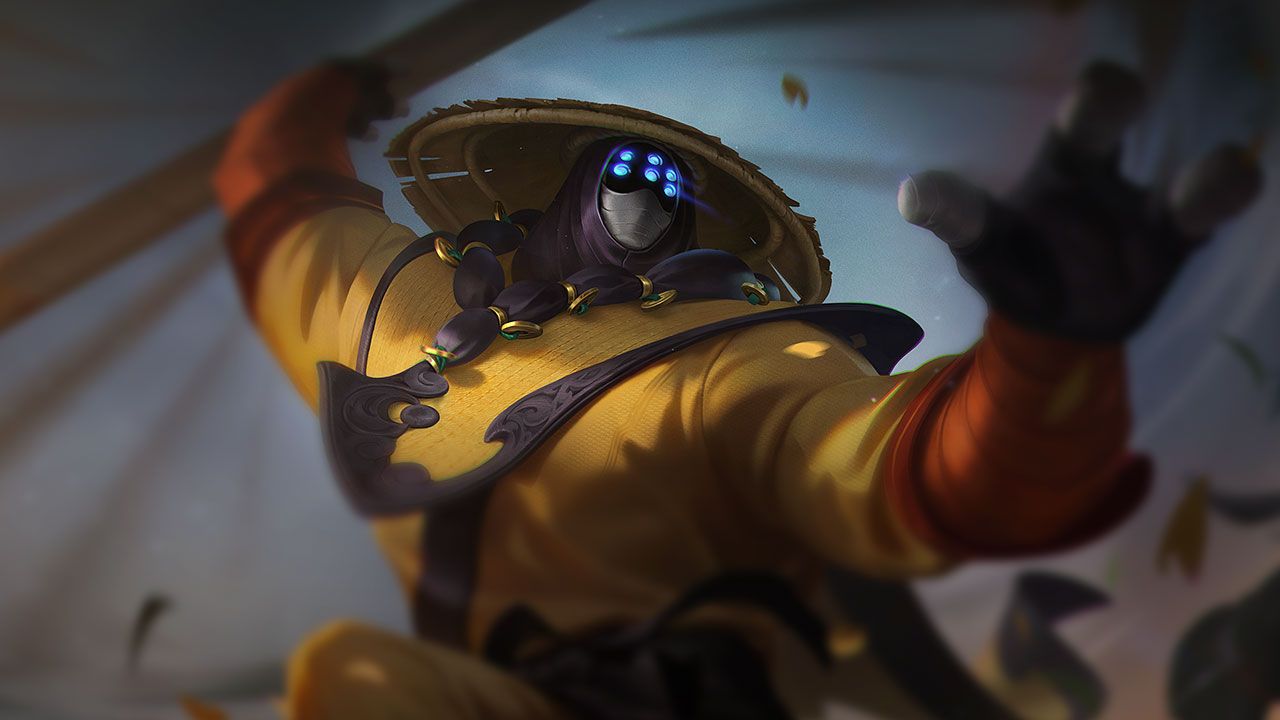
Pax Jax was released as a promotional skin for attendees of the PAX gaming conventions in the early 2010s.
How it was obtained:
Players received it by attending PAX events or through extremely limited promotional giveaways.
Current availability:
Unobtainable (with extremely rare exceptions in the distant past)
Why it’s rare:
It represents physical attendance at a real-world event during the League's formative years.
Common misconception:
No, you can’t buy Pax Jax from the store or loot. It’s effectively retired.
Silver Kayle – Kayle
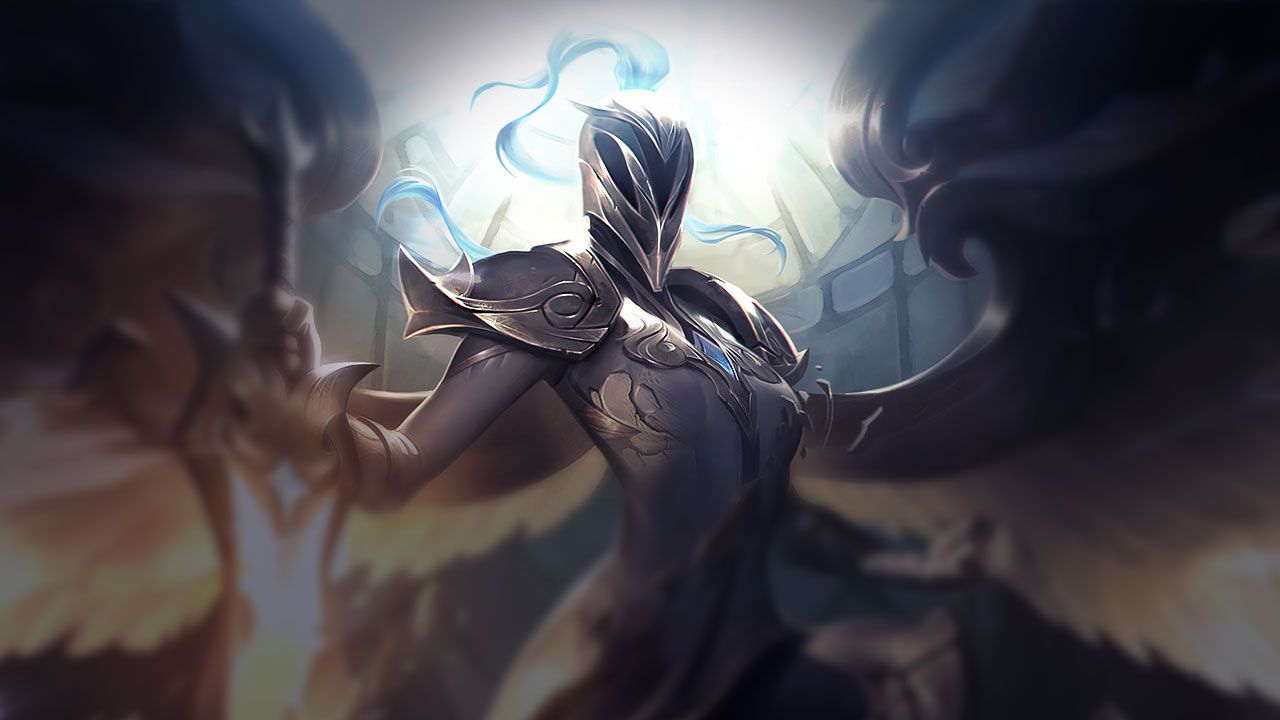
Silver Kayle dates back to the League's pre–free-to-play era.
How it was obtained:
It was granted to players who purchased the original physical retail version of League of Legends.
Current availability:
Unobtainable: The current availability is unobtainable.
Why it’s rare:
It’s tied to a purchase model that no longer exists.
Common misconception:
Hextech crafting does not include Silver Kayle.
Judgement Kayle – Kayle
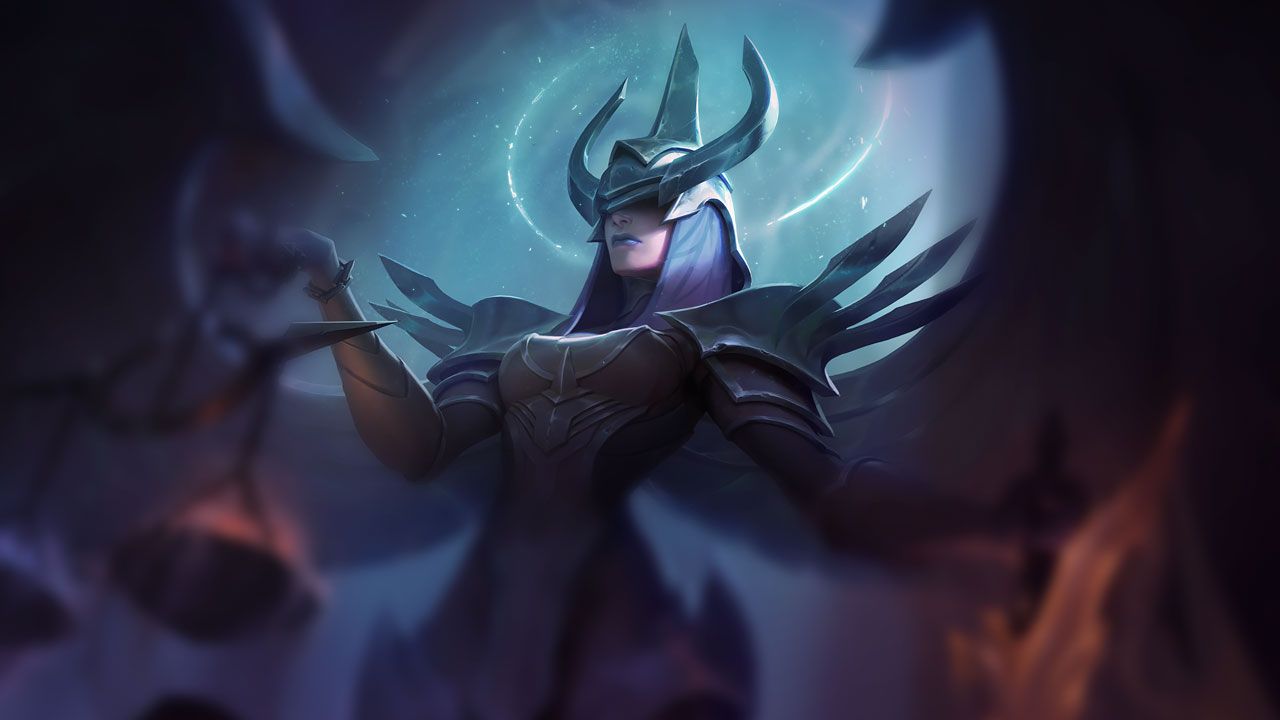
Released in 2011 as a ranked reward.
How it was obtained:
Players had to reach Gold rank or higher in Season 1.
Current availability:
Unobtainable
Why it’s rare:
It symbolises competitive achievement in the League's earliest ranked season.
Common misconception:
Reaching Gold today does not unlock it retroactively.
Black Alistar – Alistar
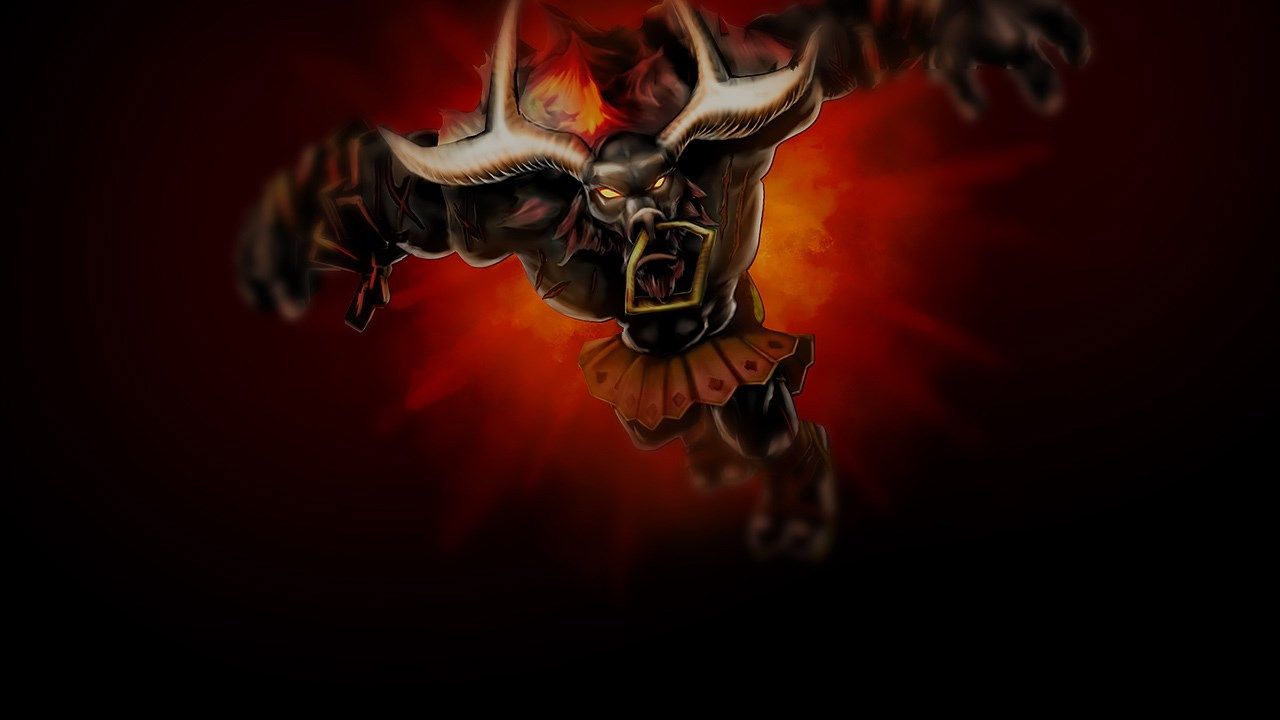
One of the earliest promotional skins in League history.
How it was obtained:
Granted to players who pre-registered for League before its official launch.
Current availability:
Unobtainable: The current availability is unobtainable.
Why it’s rare:
It’s a marker of being present before League even became what it is now.
Common misconception:
Riot has not reissued it through any modern system.
Three Honors Malzahar – Malzahar
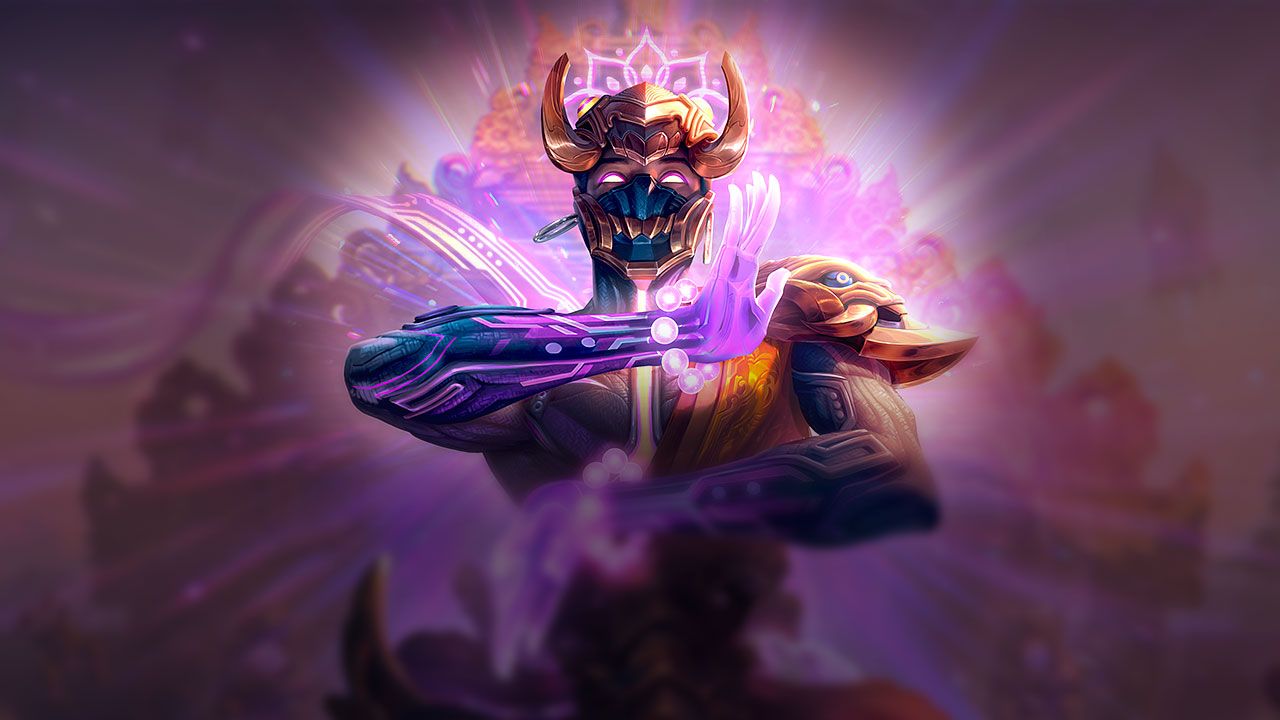
Introduced as part of the Honor system overhaul.
How it was obtained:
Awarded to players who consistently earned high Honor levels across seasons.
Current availability:
Limited/conditional (depends on honour system updates)
Why it’s rare:
It reflects long-term positive behaviour, not skill or spending.
Common misconception:
You can’t grind this in a single season, it requires sustained conduct.
EDG Yuumi – Yuumi
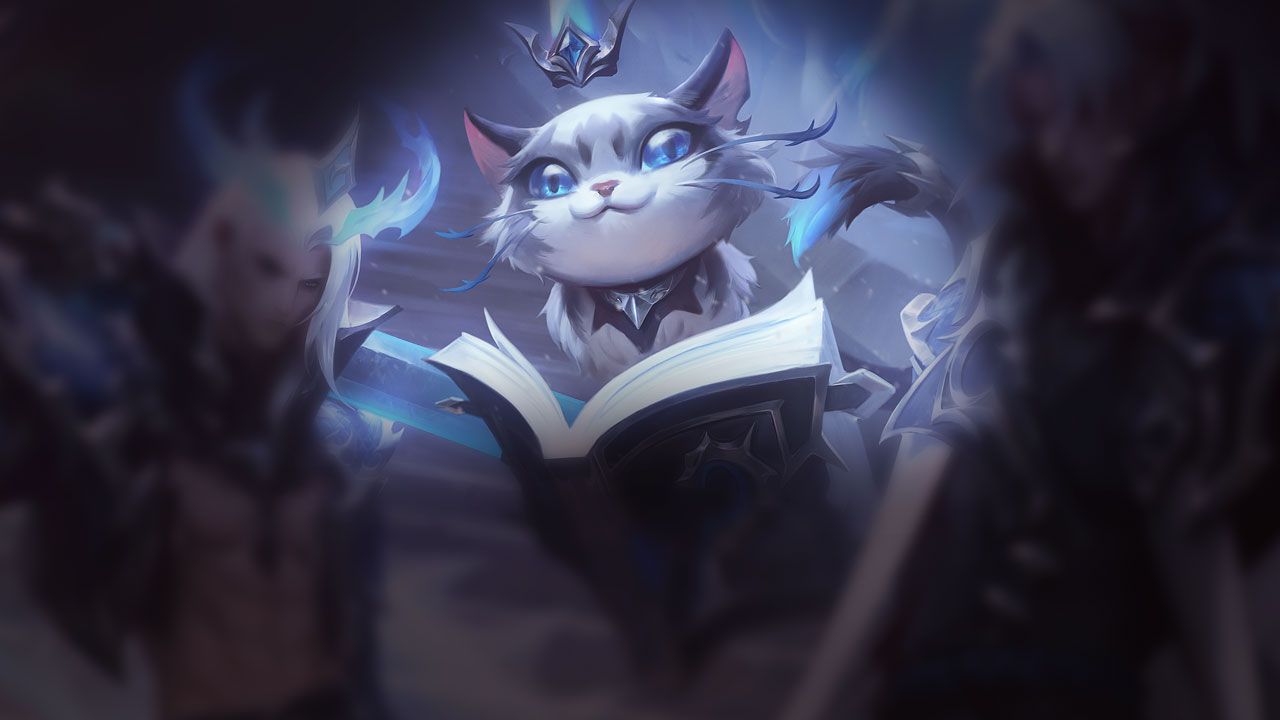
Released to commemorate Edward Gaming’s Worlds championship.
How it was obtained:
Available for purchase during a limited esports window.
Current availability:
Limited re-release possible.
Why it’s rare:
It’s tied to a specific World's victory and time period.
Common misconception:
Esports skins can return but usually only during specific events.
Can These Skins Ever Return?
Riot’s stance depends heavily on skin category:
- Legacy skins: Sometimes rotate back through the store
- Limited skins: Usually never return
- Esports skins: Often reappear during Worlds
- Honor rewards: Occasionally updated or replaced
Skins tied to early promotions or discontinued systems are the least likely to return. Riot generally avoids re-releasing items that were explicitly designed to reward presence, loyalty, or one-time achievements.
Why Rare Skins Still Matter to Players
Rare skins matter not because they’re flashy but because they mean something.
They signal:
- Account history and longevity
- Participation in old systems or events
- Nostalgia for earlier versions of the game
- Recognition within the community
Importantly, their value is symbolic not monetary and Riot actively discourages account trading.
This kind of symbolic rarity isn’t unique to League of Legends. Many digital platforms create items or experiences that signal history, status, or time-based access. You can see similar patterns across online ecosystems, including Finland’s casino platform landscape (for example, 7bet), where exclusivity and recognition can function as part of the user experience.
Conclusion
Legacy and unobtainable skins are part of League of Legends’ living history. They reflect where the game has been, how it has evolved and which moments Riot chose to preserve as one-time milestones.
Understanding why these skins are rare adds depth to the game and reminds players that not everything in League is meant to be earned instantly.
If you’re curious about specific skins, timelines, or availability rules, exploring dedicated skin databases can be a rewarding rabbit hole. Just don’t expect every piece of history to come back and that’s exactly why it matters.
More from the LOLValue blog
LoL account value calculator · LoL skins database · LoL MMR checker · Wasted on LoL · Riot Points to USD
LoLValue isn't endorsed by Riot Games and doesn't reflect the views or opinions of Riot Games or anyone officially involved in producing or managing Riot Games properties. Riot Games, and all associated properties are trademarks or registered trademarks of Riot Games, Inc.