Marvel Rivals Ranked Starter Pack: Best Beginner Heroes by Role + Team Comp Basics
By LOLValue Team · February 15, 2026
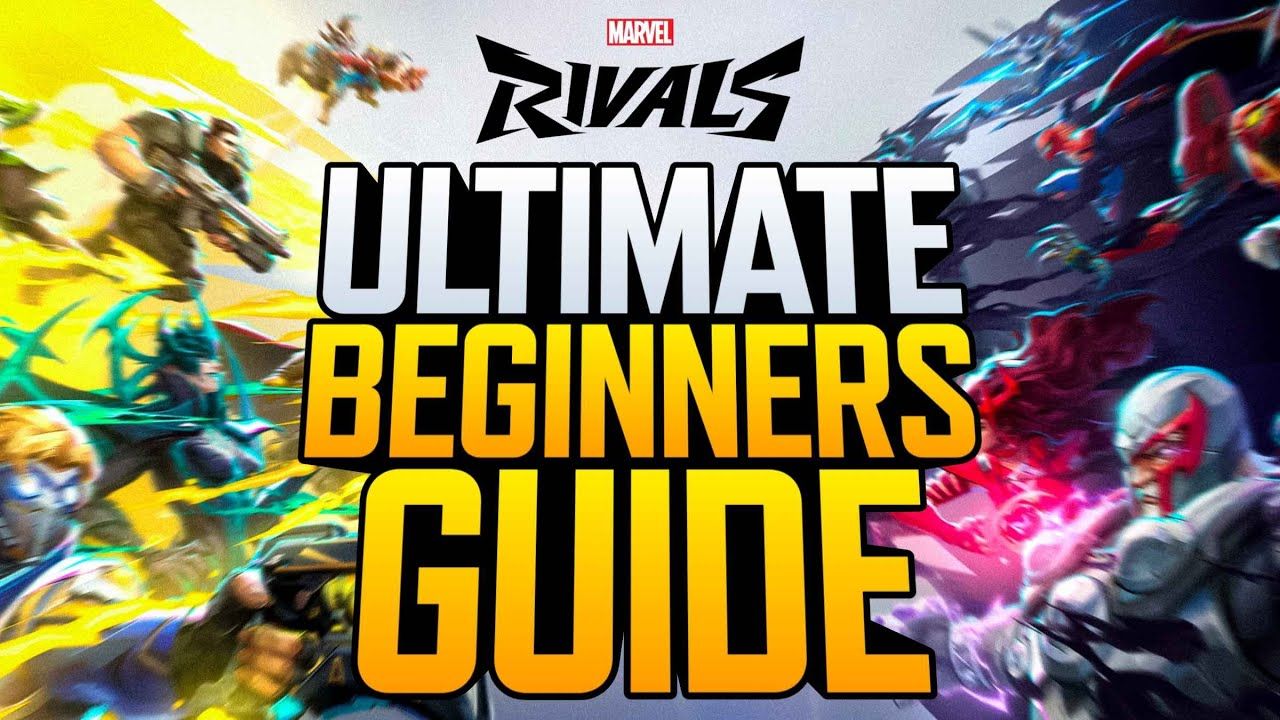
Ranked modes can feel thrilling and punishing at the same time: tighter matchmaking, sharper opponents, and far less tolerance for “figuring it out live.” The good news is that you don’t need flashy mechanics to win early, what you need is a stable role pick, a coherent team shape, and a few disciplined habits that make your plays predictable to allies and miserable for enemies.
Even if you’re alt-tabbing between queues to skim guides or check an online ipl betting app mid-sentence, your climb will mostly hinge on fundamentals: positioning, cooldown discipline, objective timing, and team composition logic that creates easy, repeatable fights instead of chaotic brawls.
Ranked fundamentals that matter more than aim
In ranked, consistency beats highlight reels. You’re rewarded for decisions that are boring but effective: arriving to fights on time, taking controllable angles, and not donating eliminations when your team is regrouping.
Think in three currencies:
- Space: Who controls the lane, the high ground, the choke, or the objective ring?
- Cooldowns: Which team has more “buttons” available when the fight starts?
- Ultimates: Which team can force a win condition in the next 10–20 seconds?
Beginners often overvalue raw damage and undervalue tempo. If you burn mobility to poke, you’ve paid a huge price for tiny value. If you stagger into the objective one-by-one, you’re giving the enemy free ultimate charge and free time. Winning ranked is frequently just doing the simple thing together: group, engage with cooldowns up, focus one target, then stabilize.
Beginner hero picks by role: choose forgiveness over fireworks
A “beginner hero” isn’t weak it’s forgiving. Their value is easy to access, their mistakes aren’t instantly fatal, and their kit teaches transferable skills (angles, timing, peeling, target priority). Below are role archetypes to prioritize when you’re learning ranked.
Frontline role: durable space-makers
For a new ranked player, the best frontline picks usually share three traits: survivability, clear engagement tools, and team-visible value (barriers, displacement, or reliable crowd control).
Look for a frontline hero with:
- A barrier or damage mitigation that protects allies, not just yourself
- A simple engage/disengage (a leap, dash, or short charge)
- A punish tool that converts mistakes into picks (stun, knockback, pull)
Why it works: You can contribute even on off days. Holding a choke, escorting a push, or peeling a diver is impactful without perfect aim. Your job is to “set the table” so your damage dealers can eat.
Beginner mindset: If your team can see you anchoring a corner and living, they’ll naturally play around you. Don’t chase; claim space, then dare them to enter it.
Damage role: consistent pressure, not brittle duels
New players often gravitate toward flashy flankers, then explode in isolated 1v3s. A better starting point is a damage hero who offers reliable mid-range pressure and a straightforward escape.
Prioritize damage heroes with:
- Predictable, repeatable damage patterns (steady shots, sustained beams, simple bursts)
- An escape or self-peel tool (dash, smoke, knockback, brief invulnerability)
- Objective-friendly pressure (can shoot while holding angles near the point)
Why it works: Ranked fights are messy. Consistent damage forces enemies to heal, reposition, or give ground, creating openings your team can exploit. You don’t need to “outplay” every opponent; you just need to be present, alive, and applying pressure at the right time.
Beginner mindset: Win by staying in the fight. If you survive 15 seconds longer than the enemy damage player, you’ll often win by sheer uptime.
Support role: high-impact utility with simple priorities
Support is frequently the fastest way to influence ranked matches, especially at lower tiers, because many teams lack discipline. A good beginner support kit provides straightforward healing, one clutch save, and one fight-shaping utility button.
Choose supports with:
- Easy-to-land healing (area heals, lock-on, forgiving projectiles)
- A panic button (burst heal, cleanse, shield, or temporary protection)
- Utility that changes fights (speed boost, slow, silence, vision, displacement)
Why it works: You can correct teammates’ mistakes. You can also control the pace: stabilize after a pick, enable an engage, or deny an enemy ultimate.
Beginner mindset: Healing is step one; peeling and timing are step two. Save the ally who can still win the fight, not the one who is already lost in enemy territory.
Team composition basics: simple structures that win
You don’t need a perfect draft. You need a composition that answers three questions:
- Who holds space? (frontline/anchor)
- Who confirms eliminations? (damage/follow-up)
- Who resets fights? (support/utility)
A clean beginner template is one sturdy frontline + two consistent damage + two supports/utility (or a flexible variant depending on role limits). The goal is a stable “spine” so your team doesn’t collapse the moment someone gets pressured.
Three beginner-friendly comp styles
1) Brawl (close-range, durable, objective-first)
- Strengths: easy coordination, strong on tight maps, punishes overextensions
- Needs: a sturdy anchor and supports who can sustain a scrum
- How to play: move as a pack, take corners, force fights on the objective
2) Poke (mid-range pressure, angle control)
- Strengths: safer damage, strong on open maps, chips enemies out
- Needs: at least one hero who can hold a sightline and one support with sustain
- How to play: claim high ground, rotate early, don’t chase—let pressure win space
3) Dive (fast picks, backline disruption)
- Strengths: deletes isolated targets, punishes immobile teams
- Needs: synchronized engages and clear target calls
- How to play: wait for cooldowns, jump together, secure one elimination, then reset
For beginners, brawl and poke are usually more reliable because they demand less synchronized timing than dive. If your team is silent or scattered, a stable brawl core often produces the cleanest wins.
Fight flow: the 20-second loop to memorize
Most ranked engagements follow a predictable rhythm:
- Scout and stage (5–8 seconds): take angles, check enemy positions
- Trade cooldowns (5–8 seconds): force defensive buttons without hard committing
- Commit for a pick (3–6 seconds): collapse on one target with your best tools
- Stabilize and convert (6–10 seconds): heal up, push space, capture objective
Beginners usually skip steps 1–2 and jump straight to step 3. That’s how you run into a full enemy team with every cooldown ready. Instead, treat your strongest abilities like a contract: don’t sign it until you know what you’re buying.
Common beginner mistakes and quick corrections
- Staggering: If two teammates are down, stop fighting and regroup.
- Chasing low targets: Secure the objective space first; picks come from pressure.
- Over-ulting: One ultimate to win a fight is great; three is usually wasteful.
- Ignoring peeling: If your supports are under attack, your team’s fight ends early.
- Playing too fancy: Simple angles and patient timing beat risky solo plays.
Closing: climb with calm, repeatable choices
A ranked “starter pack” isn’t a secret hero list, it’s a philosophy: pick forgiving kits, build a coherent team shape, and play fights in a disciplined loop. When you prioritize survivability, visible team value, and straightforward win conditions, you’ll feel ranked become less chaotic and more readable. That’s when improvement accelerates: fewer random losses, more controlled wins, and a steadier climb built on fundamentals rather than luck.
More from the LOLValue blog
LoL account value calculator · LoL skins database · LoL MMR checker · Wasted on LoL · Riot Points to USD
LoLValue isn't endorsed by Riot Games and doesn't reflect the views or opinions of Riot Games or anyone officially involved in producing or managing Riot Games properties. Riot Games, and all associated properties are trademarks or registered trademarks of Riot Games, Inc.