Using Statistical Analysis in LoL to Master Casino Odds
By LOLValue Team · September 15, 2025
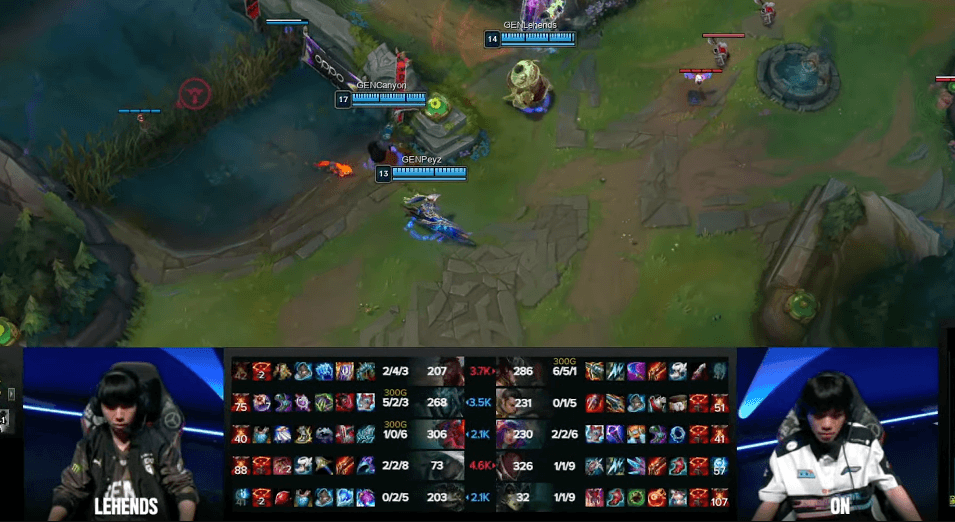
Most League of Legends (LoL) fans love numbers, even if they do not notice it. Every champion pick, damage stat, and vision score tells a silent story about future results. The same story shows up at the roulette wheel and blackjack table. By borrowing the basic math used to predict a Baron steal, players can also read the hidden patterns behind Internet casinos. This guide explains how simple statistical tools can turn flashy lights into clear, cool data. It speaks to anyone who already scrolls through post-game graphs and wonders, “Can the same skills improve my luck with cards or dice?” The answer is yes, once the numbers make sense. It also shows why clean records matter, because memory lies while spreadsheets tell the truth and let the mind relax. Through quick lessons on averages, sample size, and probability curves, readers will see how a video game mindset breaks down casino odds. The goal is not to promise wins, but to build smart habits that protect the wallet and raise the fun.
From Champion Stats to Core Math
In LoL, players constantly check attack damage, gold per minute, and kill-death ratios to judge power spikes. Those numbers look fancy, yet they rest on easy math ideas like mean, median, and variance. The mean is just an average, the same value a casino uses to set the expected payout of a slot line. Median shows the middle of a spread, useful when an outlier like a 20-kill game skews the picture. Variance tells how wild results can swing, which mirrors the house edge in poker or roulette. When someone knows these three friends, odds stop feeling like magic. For practice, a gamer can take ten recent match scores and calculate the mean gold difference at 15 minutes. Next, compare that to the median and note any variance spikes. Repeat the drill with ten past blackjack hands or roulette spins. Spotting the shared patterns teaches the brain to treat casino rounds as another stat page, not a mystery cloud of luck.
Building a Data Sample Like a Pro Scout
No analyst trusts a single LoL replay when scouting a rival team; they gather dozens. The same rule guards the bankroll in a casino. A small sample paints a crooked picture, while a large one smooths freak outcomes. Start by deciding on a clear question, such as “How often does red lose on roulette in 100 spins?” Then record every spin until the list reaches 100 results. The process copies how pro coaches log dragon timers or ward placements. With enough notes, frequency turns into probability. If red hits 47 times, the player can compare that 47% rate to the long-term theoretical 48.6%. A gap that small shows the wheel behaves as expected, and any past hot streak was just noise. Using spreadsheets or even notebook grids keeps the task simple. Over time, the growing data set lets gamers predict likely ranges, set spending limits, and walk away when reality drifts too far from the numbers.
Turning Probabilities Into Action Plans
Knowing numbers is great, but action wins games and protects cash. In Summoner’s Rift, a 60% chance to secure Baron makes a team commit; a 20% chance signals retreat. Casino play needs the same mindset. After gathering data, players can set break points. For example, if the calculated probability of hitting blackjack in the next five rounds is roughly 42%, the plan might be to wager low until that figure climbs. Probabilities also shape bankroll rules. One common method is the ‘Kelly fraction,’ a formula that recommends staking only a slice of funds equal to the edge divided by odds. While the full math appears complex, online calculators turn it into a two-step input, much like quick rune pages in the client. Action plans include stop-loss limits too. If variance leads to three losses in a row, the player steps back, reviews stats, and resets. By tying every move to a clear probability, emotion stays on the bench.
Keeping the Process Fun and Responsible
A good LoL coach knows that burnout hurts win rates more than any draft mistake. Casino learning follows the same rule: enjoy the grind or skip the table. Tracking stats should feel like filling a champion mastery bar. Small rewards help; after finishing a spreadsheet, treat the team to snacks or a short game session. Setting time limits matters too. Many pros use 90-minute study blocks with breaks, and casino analysts can copy that rhythm to avoid tilt. Sharing findings with friends adds another layer of safety. When someone explains their probability chart aloud, false assumptions often pop out, and peers catch risky behavior early. Finally, remember that even perfect models lose sometimes. Viewing each wager as an entertainment cost, not a paycheck, keeps pressure low and choices clear. By balancing math discipline with healthy habits, players can turn statistical analysis into a lasting hobby that upgrades both gaming skills and real-world decision making.
More from the LOLValue blog
LoL account value calculator · LoL skins database · LoL MMR checker · Wasted on LoL · Riot Points to USD
LoLValue isn't endorsed by Riot Games and doesn't reflect the views or opinions of Riot Games or anyone officially involved in producing or managing Riot Games properties. Riot Games, and all associated properties are trademarks or registered trademarks of Riot Games, Inc.