Build a Smarter View of Weapon Cosmetics and Their Real Value
By LOLValue Team · February 23, 2026
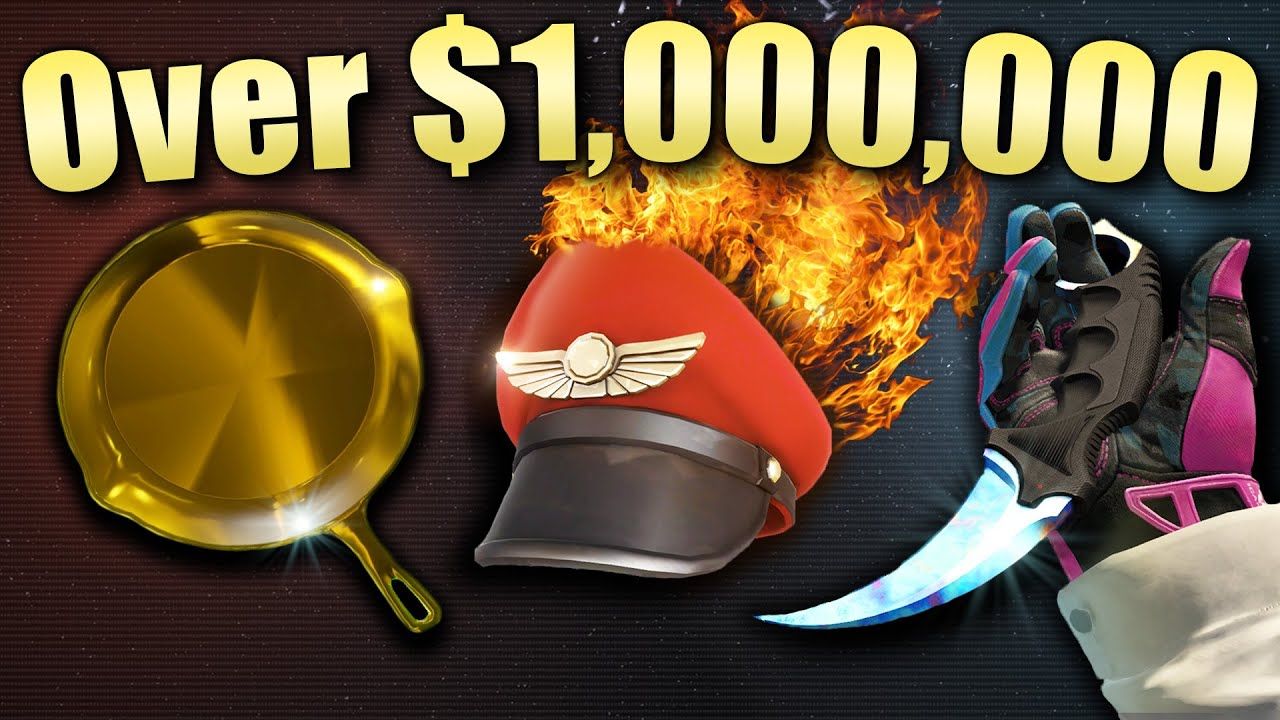
Many LoL players already think in value terms, rank, champs, skins, and time spent. Weapon cosmetics in Counter Strike invite the same mindset, but with a tighter link to market data and item traits. If you have ever compared an account valuation to a rare cosmetic, you will feel at home here. This post shares practical ways to read prices, spot what drives demand, and avoid common mistakes when you browse cs:go skins as a collector, trader, or curious gamer.
Why weapon cosmetics feel like a market
Weapon cosmetics act like small collectibles with a clear paper trail. You can see recent sales, current listings, and how fast items move. That makes it easier to separate hype from real demand. In LoL, your account value often depends on what a buyer wants at that moment. In Counter Strike, each item has a known supply and a steady stream of trades. When you treat cosmetics as items with data, you make calmer decisions and you waste less time.
The core drivers, rarity, demand, and condition
Three forces shape most prices, rarity, demand, and condition. Rarity sets the baseline because limited supply creates pressure over time. Demand comes from taste, pro play exposure, and how well a skin fits popular loadouts. Condition matters because wear changes how the item looks, and many buyers pay for clean finishes. You do not need deep knowledge to start, you can learn by comparing similar items and noting how condition shifts the price. Keep your notes simple and repeatable.
A valuation mindset that LoL players already use
If you have ever estimated account valuation, you already know the key questions. What is hard to replace, what is widely wanted, and what sells fast. Apply the same checklist to weapon cosmetics. Look for items with stable interest, not only a loud moment on social media. Check how many listings sit near the lowest price, that hints at liquidity. When you compare two items, treat your time as a cost. A clean framework beats gut feel.
Reading price history without chasing noise
Price charts help when you use them with care. Focus on the last few months of sales, not one spike. A sudden jump can come from a short trend, a content creator, or a patch that shifts attention. Look for steady ranges and repeated sale points, those show where buyers agree. Also watch the spread between the lowest listing and recent sales. A wide spread can mean slow movement or sellers who aim high. Use history to set expectations, not certainty.
Liquidity matters more than the highest listing
Many new collectors anchor on the highest listing they see. That number can mislead because it does not prove a sale. Liquidity tells you how easy it is to convert an item into value without a long wait. Items with many recent sales often hold value better because buyers show up each day. Niche items can look expensive yet sit for weeks. If you care about flexibility, pick cosmetics that move. If you care about a theme, accept that you may trade speed for taste.
Common traps, inflated prices, fake urgency, and bad comps
The biggest trap is the bad comparison. Two skins can share a name or color yet differ in wear, pattern, or popularity. Another trap is fake urgency, where a seller frames a listing as rare in a way the data does not support. Protect yourself by checking multiple recent sales and by comparing items with the same key traits. If you cannot explain why one item costs more, pause. A good purchase still looks good after you sleep on it.
Safer research habits for collectors and traders
Build habits that reduce risk. Verify item details before you value it, especially wear and any special traits that affect price. Cross check prices across more than one source and prefer completed sales over listings. Keep screenshots or notes for items you track, so you can spot real movement. Treat direct messages with care and avoid deals that skip normal checks. If a trade feels rushed, it is not worth it. Slow research saves more value than fast clicks.
Thinking across games, cosmetics as personal value
Cosmetics sit at the crossroads of taste and value. In LoL, you may keep a skin because it feels tied to a champ you main or a season you remember. Weapon cosmetics can carry the same meaning, even when market data sits nearby. Decide what you want first, a collection you love, a flexible inventory, or a mix. When you set that goal, you can pick items that fit your budget and your style, and you can ignore noise that does not serve you.
A calm way to collect with confidence
A good approach starts with clear goals and simple checks. Use rarity, demand, condition, and liquidity as your core signals. Read price history for patterns, not drama. Compare like with like, and rely on completed sales when you can. Keep your research routine consistent, so you do not chase every swing. Most of all, treat cosmetics as part of your gaming life, not a scoreboard. When you collect with patience, you keep control of both your time and your value.
More from the LOLValue blog
LoL account value calculator · LoL skins database · LoL MMR checker · Wasted on LoL · Riot Points to USD
LoLValue isn't endorsed by Riot Games and doesn't reflect the views or opinions of Riot Games or anyone officially involved in producing or managing Riot Games properties. Riot Games, and all associated properties are trademarks or registered trademarks of Riot Games, Inc.