What Makes Games Like LoL So Addictive - And Why We Keep Coming Back
By LOLValue Team · July 20, 2025
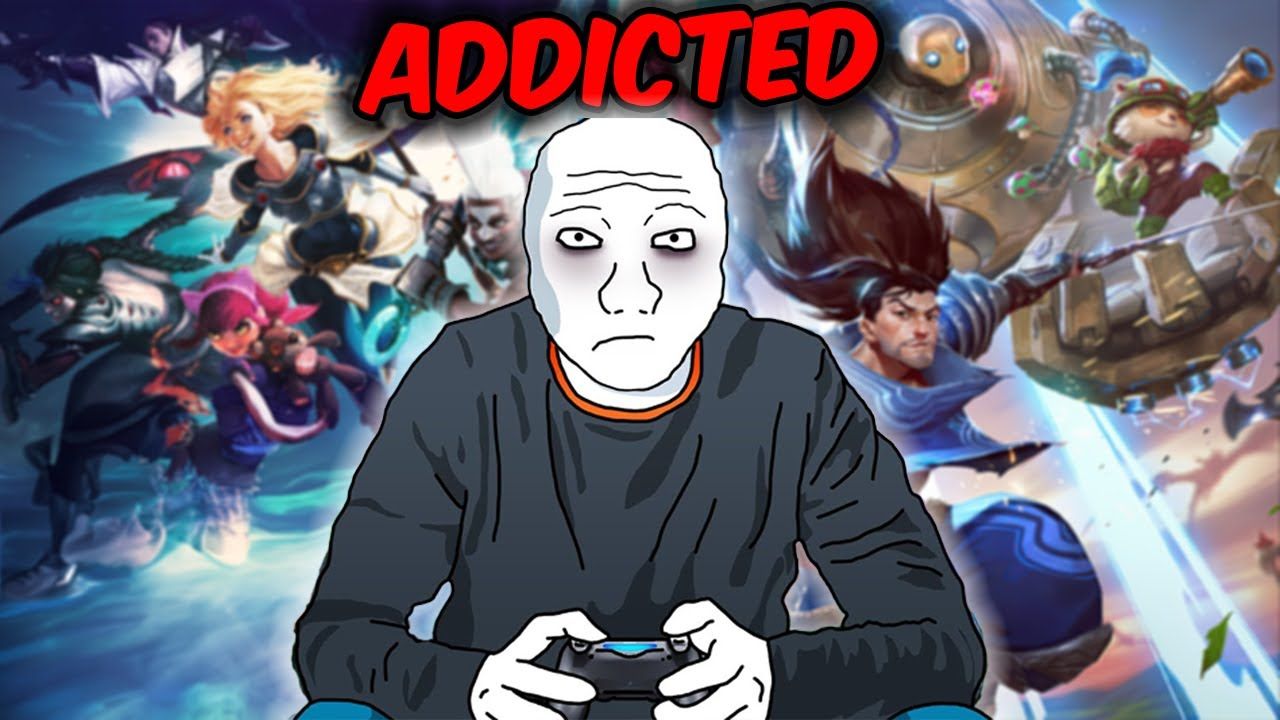
League of Legends is one of those video games that has developed a radical cult following. LoL fans enjoy a tight-knit community, immerse themselves in competition like no other, and make strategy and analysis a way of life. As the game boasts a thriving esports scene, a competitive ranked system, and a diverse champion roster, many of its mechanics make it feel like a mental sport with endless depth.
But is it the game’s depth that makes it so addictive, or are other tricks working behind the scenes? The system balances short-term and big-picture goals that hook people into LoL — and make it impossible for them to walk away.
Why Do We Become “Addicted” to Games?
Put the terms “addicted” and “gaming” together, and it often sparks negative connotations — unhealthy lifestyles dominated by a screen and a lack of real-world connection. It’s almost like going back to the days when gaming was seen as a low-value activity. But addiction in this sense is more about how certain systems are built to activate the most primal parts of our brains. LoL is full of these psychological triggers, ones that feel most familiar when it comes to casino gameplay.
The tension and anticipation when you put money into a machine or watch a dealer draw a card are akin to the final seconds before a Baron steal or choosing a game-deciding champion pick in League. LoL brings together a variety of engagement mechanics that keep the more than 11 million monthly player base returning.
Variable Rewards
Many addictive games incorporate variable rewards into their blueprint, which hinges on a well-known technique in behavioral psychology. Variable rewards essentially refer to either unpredictable rewards or those given at unpredictable times. Because an element of surprise is involved, the gaming experience becomes more engaging and unexpected, inducing more fun and excitement. LoL uses variable rewards practically everywhere — in the unpredictable progression system, contesting objectives, and random loot and drops, to name a few.
With these scattered throughout the game, there’s a potential reward to look forward to at every corner. That sheer possibility of something great happening keeps players playing because they could be so close to something that changes the game. Every match and interaction then becomes a gamble, which is what makes it so riveting.
Social Reinforcement
Perhaps the biggest standout of LoL is its vibrant and passionate international community. While players might have solo goals and independent satisfaction, the fact that it’s a global phenomenon comes from its ability to foster friendships, pit rivals against each other, and create lasting bonds between LoL fans. All games naturally develop a community around them, but some cultivate them more successfully than others.
League has created an environment where teamwork and communication matter when you log into the game. That’s why players often take the game beyond the client and connect with others via Twitch, forums, and Discord to share tips, coordinate strategies, and interact with like-minded people. Social connections add emotional investment beyond the win or loss because you’re sharing an experience that features meaningful interaction and not just chasing a result. All these social factors reinforce players’ attachment to the game, making them feel as though they belong.
Competitive Progression
Working together is one side of the competitive equation. The other? Defeating the opponent. Competition is a significant driver of engagement in LoL, where the face-off adds more layers of intensity and stakes. In other genres of games, the ultimate goal is typically simply to beat it, but in games like LoL, it’s about outsmarting others and proving your skill in comparison. In that way, there’s a higher, continuous sense of purpose that never really ends.
Players are constantly motivated and re-motivated to win for themselves and their team, improve their ranking, and sharpen their gameplay. The competitive progression consists of 10 tiers, from Iron to Challenger, and four divisions within the first seven tiers. It’s a detailed system that takes a lot of effort and consistency to climb. Ranks and elements like level borders become a part of player identity and something to defend, providing you with clear feedback every time you log in. It tells you all about your standing, how far you’ve come, and what stands between you and the next rank.
The Dopamine Loop
All these components come together to foster a dopamine loop, which is the heart of LoL’s addictive nature. Dopamine plays a key role in the psychological reward system that makes us feel pleasure and motivation. It’s the chemical in our brain that makes us feel good when we perform certain behaviors and experience certain emotions. During League matches, dopamine spikes happen when we rank up, make a clutch play, and pull off a combo, which naturally makes us want to feel those thrills all over again.
Dopamine loops are highly effective because they provide gratification from both immediate rewards and long-term goals.
Engagement Design Mechanics Across Digital Entertainment
The unmistakable pull of League of Legends isn’t specific to MOBAs or video games only. It relies on engagement design that’s used across platforms and genres. Whether we’re endlessly scrolling through social media or spinning a slot machine, the same psychological mechanisms are in play. Digital experiences don’t just entertain us — they are smartly crafted around core human motivations. When you dig deeper into the many layers of modern game design, you start to realize exactly why you’re putting off cooking dinner to play another round or queuing up again after a crushing loss.
More from the LOLValue blog
LoL account value calculator · LoL skins database · LoL MMR checker · Wasted on LoL · Riot Points to USD
LoLValue isn't endorsed by Riot Games and doesn't reflect the views or opinions of Riot Games or anyone officially involved in producing or managing Riot Games properties. Riot Games, and all associated properties are trademarks or registered trademarks of Riot Games, Inc.