What Makes a LoL Account Valuable? The Answer Applies to Digital Products Everywhere
By LOLValue Team · July 19, 2026
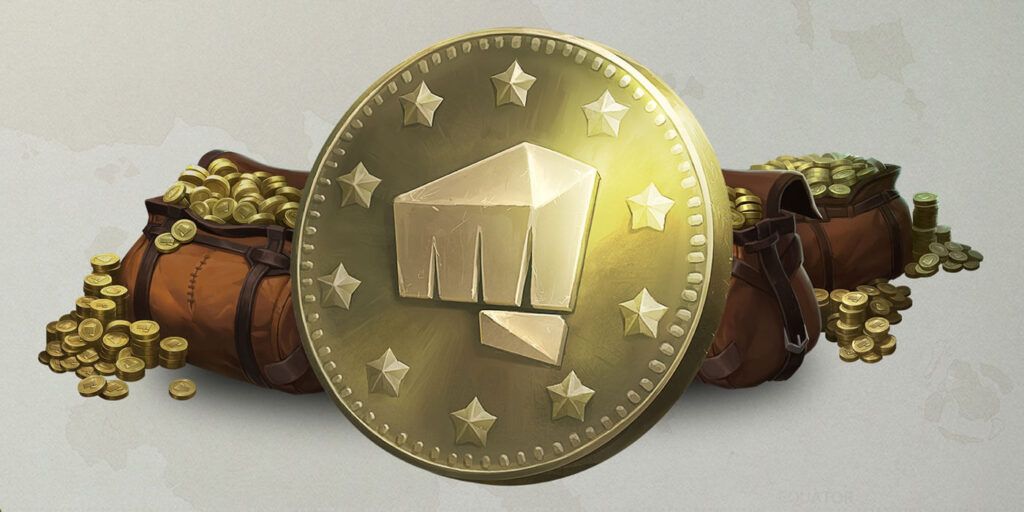
With a Challenger rank as the ultimate goal for many LoL players, it might look like the prime measure of an account’s worth. Yet there are many other deciding factors commanding a higher price even with lower-tier rankings. An older account with discontinued skins or legacy cosmetics is often seen as more prestigious and desirable because those items are difficult, if not impossible, to obtain today.
While other examples of digital value exists, like domain names and premium memberships, accounts attached to games like League of Legends are among the top examples of how digital value is created. Every account represents a different mix of cosmetic ownership, personal history, and competitive achievement, and different buyers value those elements differently. There are even subjective factors at play, like emotional attachment, demand, and perceived scarcity. Sometimes, it means reconsidering our view of what makes a LoL account valuable.
Why Some LoL Accounts Command Higher Prices
Box checking and simply focusing on headline metrics isn’t always the best way to evaluate an account. Because different attributes signal different qualities to potential buyers, no two account features will be equally lucrative for every buyer. For players who value exclusivity and connection to the game’s history, rare legacy skins may be most desirable. Meanwhile, those who care most about competitive credibility and skill will likely prioritize finding a Challenger account over anything else.
Ranking is the most obvious indicator of value. When players reach Master, Grandmaster, or Challenger ranks, it immediately indicates skills and dedication. That prestige creates demand among those looking for a particular starting point or status right off the bat. Limited-edition event skins and discontinued content are also desirable on their own because of their sense of exclusivity. Even an account’s region can have an impact, depending on the player base and market, or a clean account history with no bans or restrictions.
Value comes from what certain elements communicate, and they matter because they act as signals of effort, status, and access. Several attributes can come together and form an account that buyers perceive as difficult, desirable, or impossible to recreate. When the time required to build an account from scratch outweighs the cost of buying one, the account gains appeal.
When Value Goes Beyond What We Can Measure
Although objective metrics tend to catch the eye, they’re not the only determinants of a LoL account’s value. Two accounts might both sit at Diamond rank and have hundreds of skins, but one may boast rare cosmetics like Black Alistar or Championship Riven. These accounts will command different prices because of what their features represent. Depending on the buyer, specific features will become a deciding factor, which is why digital value is often psychological before practical.
That’s not to say the features themselves matter less, but rather that their impact depends on the meaning attached to them. Spreadsheets will be able to measure an account’s statistics yet won’t be able to fully capture demand created by perceptual factors. Perception often determines desirability long before usefulness is even measured.
These Same Factors Shape Value Everywhere
The same underlying forces that shape LoL account value don’t just resonate with other games. Aspects like emotional attachment and perceived rarity influence how people value digital and physical products across multiple markets.
A longstanding example is sneaker resale culture. Exclusive collaborations with celebrities, limited drops, and short production runs all create scarcity that can push resale prices far beyond the original retail cost. It’s almost like a marketing mechanism for generating appeal due to the psychological pull of exclusivity. While part of sneaker resale involves personal preference, sellers often want to own something others can’t easily access, turning a pair of shoes into a symbol of status rather than a functional product.
Back in the online world, digital collectibles and, more recently, NFTs, have shown just how much ownership and rarity can trump practical utility. For instance, a rare NFT from a limited collection like the Bored Ape Yacht Club or CryptoPunks doesn’t provide any added functionality compared to others, but its scarcity makes it more desirable to collectors.
Subscription-based apps employ similar strategies, working to distinguish premium tiers from standard experiences. Developers may position the upgrade as a way to unlock special features, even when the real difference is relatively small. Online casinos follow similar strategies, using near-miss mechanics and jackpot framing to influence player perception. That design approach influences the popularity of slot games, as players may gravitate toward games that create the strongest sense of excitement or possibility, even when their core mechanics are the same as those of many other titles.
Products that succeed in any category aren’t always the ones with the most objective advantages. When they’re specifically designed to create a stronger sense of identity or rarity, people are more willing to seek these products out and pay for them.
People Buy the Feeling, Not Just the Function
While utility explains what a product’s function is, design explains why people want to purchase it. Design plays a large role in shaping what people notice, remember, and ultimately choose. Even with all the right features in place, there still needs to be an experience that feels meaningful or engaging; otherwise, those features might not create lasting demand. The smallest design decisions, like how something is presented or how progress is displayed, can turn a purely functional product into something actively sought out.
It’s precisely why products with very similar capabilities can generate vastly different levels of interest. A new smartphone model may offer specifications similar to its predecessors, and two LoL accounts might contain the same champions and ranks, yet attract more attention because of their history or cosmetics. Whichever creates a stronger emotional connection for the buyer through belonging, status, or scarcity often stands out from competitors.
Looking at Your Account Through a Buyer’s Lens
When you understand what truly drives an account’s digital value, you might place much less emphasis on certain qualities. Although subjective elements still contribute to value, you learn to recognize which features matter most to a certain audience of potential buyers. The key for account holders is to separate personal attachments from market demand. Features that objectively make an account valuable aren’t always the ones that matter most to owners, just as the features buyers prioritize might not be the ones players expect to drive resale demand.
That perspective helps players understand three major dimensions:
- Market Value: Features that influence what buyers are willing to pay, like competitive achievements and account history.
- Personal Value: Items, memories, and milestones that make an account meaningful to the current owner, even if they don’t affect resale price.
- How Buyers Perceive Value: Psychological factors that affect demand, including the feeling that an account is difficult to recreate.
The Human Side of Digital Value
LoL accounts can be easy to look at as commodities—nothing more than a collection of numbers and achievements. Their value comes from what they contain, but also from what those features represent and mean to individuals scouting them out. Learning that difference helps players better evaluate an account’s resale potential or spot why certain features carry more weight than they initially thought. Figuring out how buyers perceive those features means players can avoid overestimating what matters only to them or relying on outdated ideas of what makes an account valuable.
More from the LOLValue blog
LoL account value calculator · LoL skins database · LoL MMR checker · Wasted on LoL · Riot Points to USD
LoLValue isn't endorsed by Riot Games and doesn't reflect the views or opinions of Riot Games or anyone officially involved in producing or managing Riot Games properties. Riot Games, and all associated properties are trademarks or registered trademarks of Riot Games, Inc.