Why Crypto Native Audiences Are Reshaping What Esports Sponsors Look For
By LOLValue Team · May 7, 2026
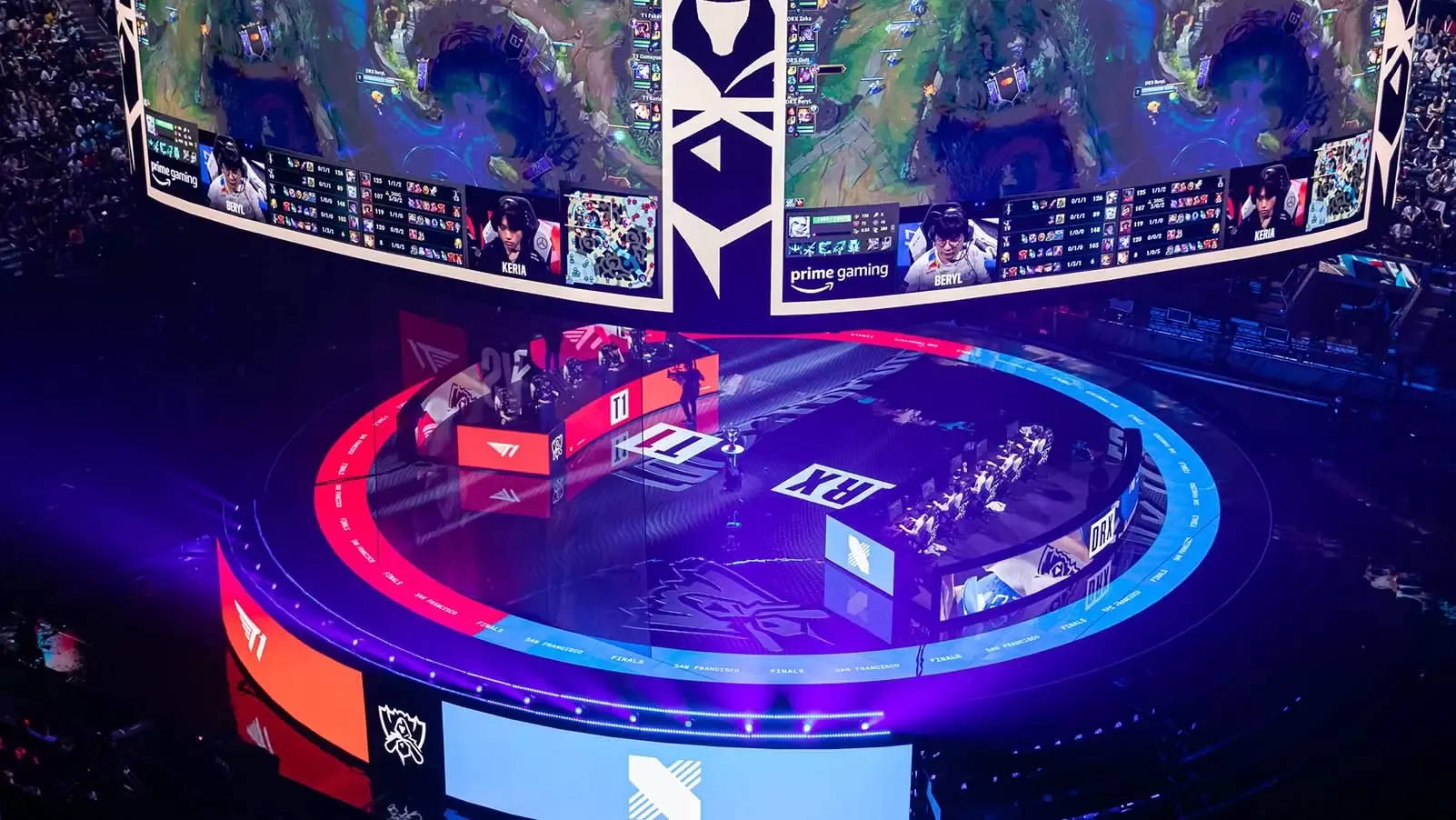
The conversation around esports sponsorship has been quietly shifting in ways that don't show up in the press releases. Five years ago, the prestige sponsorship deals were energy drinks, peripherals, telecoms, and the occasional automaker. Today, that mix increasingly includes crypto exchanges, Web3 gaming platforms, blockchain infrastructure providers, and stablecoin payment companies — and the underlying reason isn't that those brands have more money to spend (though they often do).
It's that the audience has changed. Specifically, the slice of the esports audience that sponsors most want to reach has become disproportionately crypto-native, and the brands that understand this are pricing their deals accordingly.
For player valuation analysis, this matters more than most LoL coverage acknowledges. A player's sponsorship value isn't just a function of their viewer count or competitive results — it's increasingly a function of how well their audience matches the demographic profile that crypto-native and Web3 brands are trying to reach. Understanding that matters for anyone trying to model player or team value accurately.
The audience overlap is real and quantifiable
Multiple market-research outfits have tracked the overlap between esports viewership and crypto adoption over the past three years. The pattern is consistent across studies. Andreessen Horowitz's annual State of Crypto report has documented persistently higher crypto adoption rates among 18-34 year old gamers compared to the general population in the same age cohort, and within that cohort, esports viewers skew higher still. Among the most engaged segment — viewers who watch more than five hours of competitive gaming content per week — the overlap is even more pronounced.
The reasons aren't mysterious. The same demographic profile that gravitates toward live-streamed competitive gaming — predominantly male, 18-34, digitally native, comfortable with new technology, suspicious of traditional financial gatekeepers — overlaps almost perfectly with the demographic profile of early and mid-stage crypto adopters. These weren't separate communities to begin with; they were the same community organizing around different products.
The product-maturity threshold has been crossed
For a long time, esports sponsorship from crypto brands felt experimental — partnerships announced with fanfare, fizzling within a year as the brand collapsed or pivoted. That era is mostly over. The crypto products sponsoring esports today aren't speculative tokens hoping to catch attention — they're mature consumer products with real users, real revenue, and real product-market fit.
The benchmark for what "mature crypto-native consumer product" looks like has been most clearly established in adjacent entertainment categories. As Baseball America recently documented in its hands-on review of the Ohio online gaming market, the operators that have refined crypto-first consumer experiences are now offering 24-hour Bitcoin withdrawals, sub-1-hour altcoin processing, multi-currency support across Bitcoin, Ethereum, Litecoin, Tether, and several others, and integrated reward systems that don't require fiat conversion at any point. That's a product-maturity threshold the crypto-native gaming and entertainment categories have crossed.
The same standards now define the wider crypto casino market, where the operators worth using are the ones put through real Bitcoin deposits, payout-speed tracking, and provably fair verification rather than judged on marketing claims; you can read more on how those sites are actually vetted before any of them earn a spot on a list.
When sponsors evaluate whether a crypto product is ready to underwrite esports deals at scale, the comparison set isn't other crypto exchanges in the abstract — it's whether the user experience matches what users have already come to expect from the crypto-native consumer products they actually use. The bar has gotten high.
What this means for sponsorship economics
Crypto-native and Web3 brands have figured out something traditional consumer brands often haven't: the esports audience is already their target audience, not an aspirational one. That changes how they evaluate deals.
A traditional energy drink brand sponsoring an LCS team is paying for awareness — getting their logo in front of viewers who may or may not buy energy drinks. A crypto exchange sponsoring the same team is paying for high-conversion exposure — getting their product in front of viewers who are statistically very likely to be looking for exactly that kind of product. The CPM math is fundamentally different.
This is why crypto and Web3 brands have been willing to pay premium rates for esports sponsorship deals over the past three years, even through the broader crypto market volatility. The audience match justifies the spend in a way that doesn't require the broader macro environment to cooperate.
What this changes about player valuation
For LoL specifically, the implications for player and team valuation are concrete.
Audience demographic data matters more, not less. A player whose viewer base skews younger, more crypto-active, and more receptive to Web3 partnerships has objectively higher sponsorship value than a player with similar viewership but a less crypto-aligned audience. Demographic-fit data is now a meaningful component of player value, alongside competitive performance and viewership scale.
Region-specific audience composition affects deal pricing. The crypto-adoption rate in the LCK, LEC, LCS, and LPL audiences differs significantly. South Korean and broader East Asian esports audiences have shown different crypto-adoption patterns than North American or European ones, which affects what each league's teams can command in crypto-native sponsorship deals.
Personal brand alignment with crypto matters. Players who have publicly engaged with crypto products — talked about their own holdings, partnered with Web3 platforms, appeared at crypto events — command premium sponsorship rates from crypto brands compared to players whose personal brand is silent on the category. This is a real lever players and agents can pull, though it carries reputational risk if the partnership choice goes wrong.
For a granular look at the kind of viewer-side data that quantifies these patterns, our breakdown of champion mastery and player performance metrics covers the foundational metrics that any rigorous valuation model should be incorporating before adding the audience-overlay layer on top.
What sponsors are actually evaluating now
The new evaluation framework crypto-native sponsors apply to esports deals looks something like this:
The audience-fit layer comes first — what percentage of the player's or team's audience is in the target demographic, and how engaged are they? The competitive-performance layer comes second — better results drive viewership, but the audience composition matters more than raw numbers above a baseline level. The brand-alignment layer comes third — does the player's personal brand fit the sponsor's positioning, and is there reputational risk that could rebound on the sponsor?
Traditional sponsors have been operating on an awareness-first framework, where viewership scale matters most. Crypto-native sponsors have flipped that — audience composition matters most, scale is secondary. The result is that mid-tier players with strong demographic alignment can outperform top-tier players with weaker alignment in crypto sponsorship deals, even when the competitive gap between them is real.
Where this is headed
The crypto and Web3 sponsorship category isn't going away, and it isn't going to remain stable either. The brands that survive the next few years of crypto market evolution will be the mature consumer-product operators with real users — the same operators who can afford to pay premium sponsorship rates because the audience overlap justifies it.
Esports valuation models that don't account for this are going to systematically underprice players whose audience profiles align with crypto-native sponsorship demand, and overprice players whose audiences don't. The data to correct this exists. The frameworks for incorporating it are still being built.
For now, anyone serious about LoL player valuation should be tracking audience composition with at least the same rigor they track in-game performance metrics. The sponsorship economics demand it, and the gap between players who are valued well and players who are valued poorly is increasingly going to come down to who understands the demographic-overlap question first.
More from the LOLValue blog
LoL account value calculator · LoL skins database · LoL MMR checker · Wasted on LoL · Riot Points to USD
LoLValue isn't endorsed by Riot Games and doesn't reflect the views or opinions of Riot Games or anyone officially involved in producing or managing Riot Games properties. Riot Games, and all associated properties are trademarks or registered trademarks of Riot Games, Inc.