Digital Artistry and Consumer Culture in League of Legends Skins
By LOLValue Team · April 14, 2025
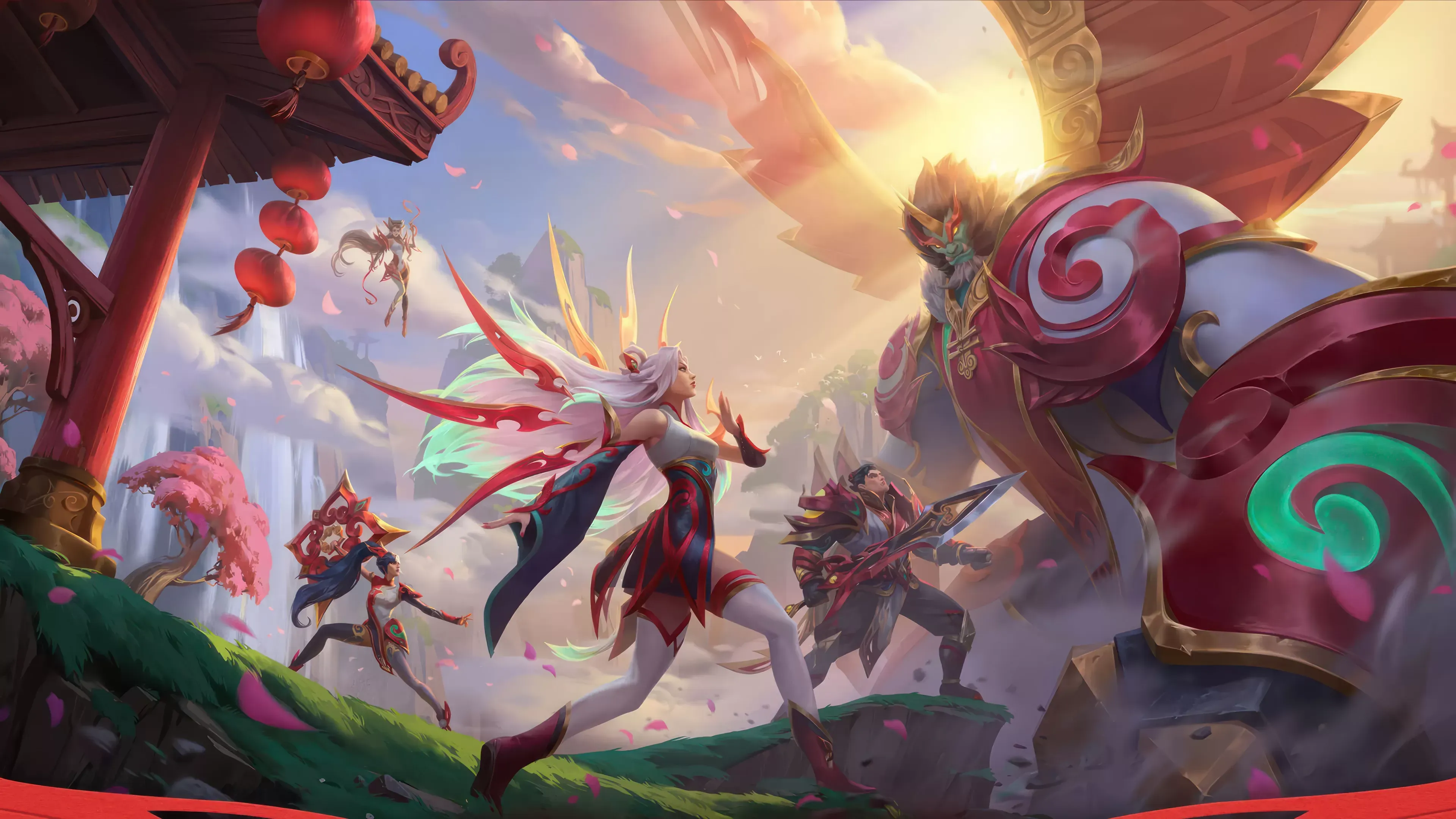
League of Legends has become a cultural juggernaut in the world of competitive gaming, not only through its compelling gameplay but also through its vibrant in-game aesthetics. Skins in League of Legends have evolved into a digital canvas where art, technology, and consumer behavior intersect, reflecting broader trends in modern digital culture. This article offers a fresh perspective on how these skins transcend mere cosmetic appeal, embodying elements of digital artistry and shifting consumer paradigms.
The Art of Digital Customization
At its core, a skin in League of Legends is a piece of digital art. Riot Games collaborates with top-tier artists and designers to create visually stunning skins that often tell a story or evoke a particular emotion. These skins are not just accessories; they are expressions of creativity that enrich the gaming experience. Over time, the artistry behind skins has grown increasingly sophisticated, with developers incorporating intricate animations, unique sound effects, and dynamic visual effects that elevate standard gameplay into a more immersive, almost cinematic experience.
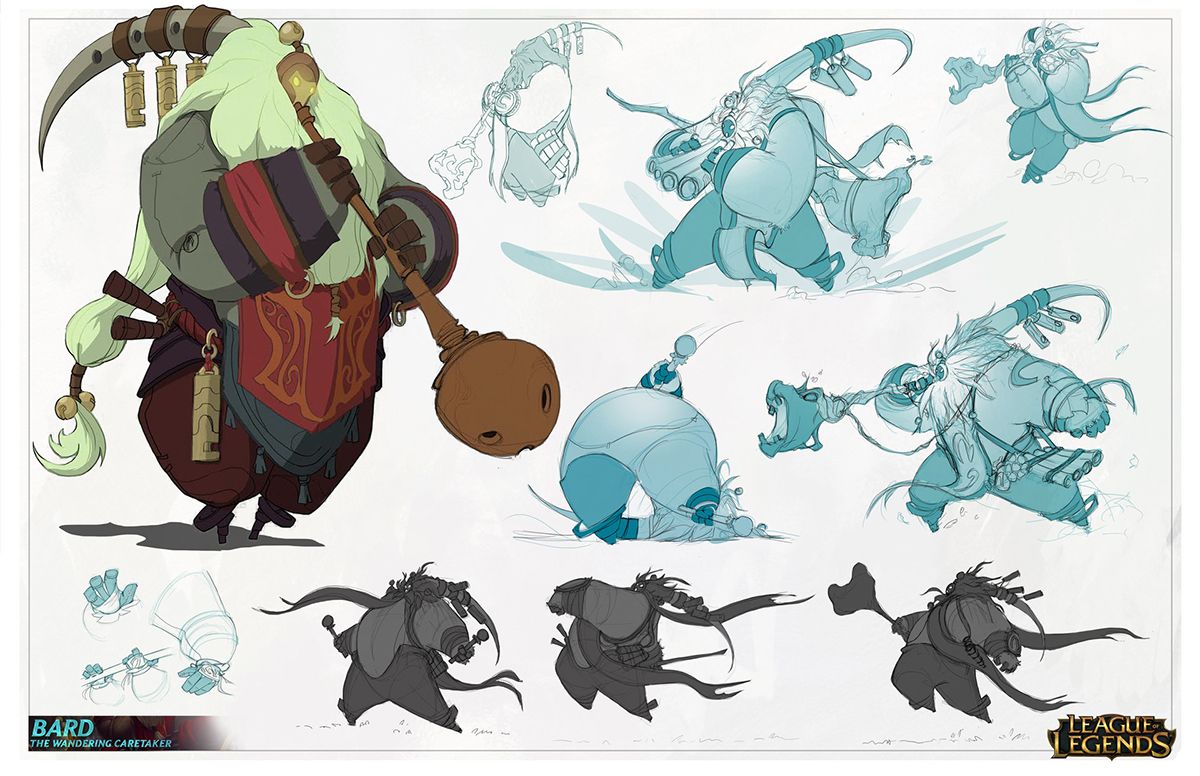
The rise of digital customization has enabled players to express their individuality. As each skin acts as a personal signature, the investment in acquiring unique and eye-catching designs has become a point of pride within the community. This artistic approach also mirrors the broader digital art movement, where creators use technology to push the boundaries of what is possible in visual storytelling.
A Cultural Shift in Consumer Behavior
Alongside its artistic evolution, the League of Legends skin market mirrors significant changes in consumer behavior. Modern gamers are not only looking for performance advantages; they are also seeking ways to express their identity through their in-game avatars. The desire for self-expression has transformed skins from optional extras into coveted commodities that represent a player’s aesthetic taste and social status within the gaming community.
This shift in consumer behavior is driven in part by the broader cultural acceptance of digital goods. As society becomes more comfortable with the concept of virtual ownership, players view skins as legitimate collectibles with personal and even emotional value. The digital marketplace has responded to this demand by offering various opportunities to acquire these items more affordably, allowing fans to get League of Legends skins cheaper without compromising on quality or style. This democratization of access is crucial as it enables a wider audience to participate in the culture of customization, regardless of their budget.
The Economics of Digital Aesthetics
Beyond aesthetics and culture, the economic model underpinning League of Legends skins is a powerful driver for innovation and engagement. The free-to-play model of League of Legends relies heavily on microtransactions, where skins serve as one of the primary revenue sources. What makes these transactions compelling is that they blend artistry with practical consumer appeal; while skins have no impact on gameplay mechanics, they offer a direct way to support continuous game development and community events.
The balance between monetization and maintaining fair play is central to Riot Games’ philosophy. Skins provide players with a way to stand out visually without altering game balance, ensuring that competitive integrity is preserved. This careful delineation between performance and aesthetics fosters an environment where artistic expression can flourish without affecting the strategic depth of the game.
Community and Creativity
The influence of League of Legends skins extends into the broader community, inspiring fan art, cosplay, and digital content creation. Players not only consume these digital artworks but also participate in discussions on design trends and creative concepts. The skin market has become a vibrant ecosystem where player feedback and community creativity influence future design directions. This interactive process contributes to an ongoing dialogue between the developers and the community, ensuring that the art of skins continues to evolve alongside consumer tastes and technological advances.
Furthermore, the secondary market for skins has given rise to a new dimension of digital entrepreneurship, as players trade and showcase rare or limited-edition items. This secondary market adds an extra layer of intrigue and investment, as skins become symbols of status and accomplishment in the digital era.
Conclusion
League of Legends skins represent a unique convergence of art, technology, and consumer culture. From their role as expressions of digital artistry to their economic impact on the gaming industry, skins have evolved into much more than visual upgrades. They serve as a window into the modern era of digital customization, where gamers increasingly value aesthetic expression as a cornerstone of their identity. As the digital art movement continues to grow, innovations in the skin market will likely lead to even more immersive and affordable ways for players to get League of Legends skins cheaper. In this evolving landscape, the blend of art, economics, and community engagement will remain at the heart of the League of Legends experience, enriching the game and its culture for years to come.
More from the LOLValue blog
LoL account value calculator · LoL skins database · LoL MMR checker · Wasted on LoL · Riot Points to USD
LoLValue isn't endorsed by Riot Games and doesn't reflect the views or opinions of Riot Games or anyone officially involved in producing or managing Riot Games properties. Riot Games, and all associated properties are trademarks or registered trademarks of Riot Games, Inc.