Why Esports Will Influence More Than Just Play by 2026
By LOLValue Team · October 27, 2025
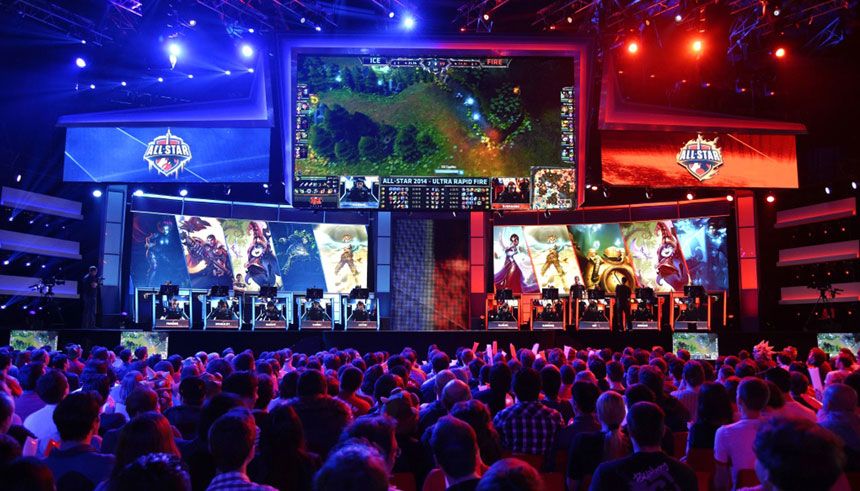
The world of esports is expanding faster than ever. Competitive gaming has changed from casual tournaments to a global phenomenon attracting millions of viewers, investors, and brands. By 2026, this growth will transform how digital value, ownership, and participation are understood across industries.
From streaming platforms to in-game economies, nearly every layer of the digital experience is being influenced by the rise of esports. What once existed only within games now created media, culture, and emerging digital economies at large.
The Rapid Ascent of Esports
Over the past decade, esports has moved from fringe entertainment into mainstream culture. In 2025, the global esports audience reached around 640 million viewers, with more than half tuning in through mobile devices. This reflects accessibility and changing habits in how content is consumed, like fast, social, and on-the-go. Mobile-first engagement is becoming the norm, especially among new generations who prioritize flexibility and constant connectivity.
Revenue is also surging. The global esports market is valued at about $3.18 billion in 2025 and is projected to grow substantially by 2030. Sponsorships, media rights, and live events form the industry’s backbone, while new digital ecosystems like streaming, collectibles, and analytics extend its reach beyond play itself.
Esports is now a global economy where fans, creators, and competitors interact continuously. This expansion has opened opportunities in adjacent industries that feed off competitive gaming’s energy.
Digital Economies and New Ecosystems
Esports titles such as League of Legends (LoL) dominate viewership and prize pools. They’ve influenced esports betting as well. No longer just a novelty, it’s now a fully developed feature on major sportsbooks, offering markets on matches in CS2, Dota 2, and LoL. With simplified structures like no‑draw outcomes and occasional handicaps, betting has become both accessible and serious. It reflects how competitive gaming is influencing participation.
The early surge of interest hasn’t faded. Analysts estimate that the global esports-betting market will hit $16 billion in 2025, growing toward $54 billion by 2034.
This growth shows how deeply esports participation extends into financial ecosystems. Viewers engage as spectators, but they also predict results, invest in outcomes, and interact with data. This creates a feedback loop. A well‑ranked account, a unique skin, or a player’s performance history can all contribute to perceived worth in these intertwined economies.
The Evolution of the Fan Experience
Esports fandom is unlike anything traditional sports have seen. A 2025 study shows that people aged 18–27 represent 44% of all esports wagering activity. This demonstrates how new generations approach esports as an interactive form of entertainment.
This interactivity defines modern fandom. Fans watch matches while chatting on social platforms, place small wagers, follow player stats in real time, and co‑stream tournaments on Twitch or YouTube. The result is a culture where spectatorship becomes participation.
Mobile access is another factor. Over 56% of 2025 esports viewership happens on smartphones. That accessibility keeps engagement continuous, even when fans aren’t in front of their PCs. As these habits spread, esports becomes an always‑on form of entertainment that blurs the boundary between audience and competitor.
Technology, Analytics, and Infrastructure
Technology continues to power esports’ expansion. In 2025, new AI frameworks like PandaSkill were introduced to evaluate player skill in LoL using machine‑learning models rather than simple win‑loss ratios.
Real‑time data analytics now enhance fan engagement, helping viewers understand match momentum or individual plays. These same tools are being used to provide accurate in‑play statistics for betting markets, ensuring fairness and transparency.
Infrastructure is also modernizing. Cloud‑based broadcast platforms allow for seamless multilingual coverage. AR and VR are being tested for immersive tournament experiences. The result is an ecosystem where gameplay, analytics, and media integration happen simultaneously.
Cultural Expansion and Global Reach
The 2025 Esports World Cup in Riyadh featured 24 titles and a record‑breaking $70 million prize pool, making it the largest event in esports history.
Asia‑Pacific continues to lead global viewership with 57% of the total audience, but growth in Latin America and the Middle East shows how universally appealing competitive gaming has become.
However, global growth brings new challenges. Different regions have unique laws governing digital assets, wagering, and sponsorships. Riot Games’ 2025 decision to allow betting companies to sponsor LoL and Valorant esports, for example, triggered both enthusiasm and backlash.
Beyond Play
By 2026, the esports ecosystem will reach beyond competitive gaming. Four major developments are expected to shape that evolution:
- Digital Assets Become Recognized Investments: In‑game items, ranked profiles, and digital achievements will be viewed less as personal trophies and more as part of one’s digital portfolio that is linked to content creation, sponsorships, and online identity.
- Participation and Ownership Will Merge: Fans will engage in team economies, purchase digital collectibles, and influence brand decisions. Interactivity will be central.
- Cross‑Platform Convergence: Streaming, social media, data analytics, and wagering will continue to merge. By 2026, esports events may function as fully interactive entertainment hubs rather than passive broadcasts.
- Regulation Will Define Sustainable Growth: Governments are beginning to regulate esports as a hybrid of gaming, entertainment, and fintech. India’s Promotion and Regulation of Online Gaming Act (2025) sets an early precedent for balancing innovation with responsibility.
Esports and Education: A Pathway to Future Careers
As esports gains mainstream attention, educational institutions are beginning to recognize its potential beyond just entertainment. Colleges and universities across the world now offer esports-related degrees and certificate programs covering a wide array of subjects, from game development and digital marketing to event management and broadcast production. These programs are helping students bridge their passion for gaming with viable career paths in media, tech, and creative industries.
Additionally, there are many esports clubs which are treated with the same importance as traditional sports.
Esports also provides a launchpad for tech-savvy people to explore entrepreneurship. Streamers, shoutcasters, content creators, and data analysts are building careers around competitive play and its surrounding infrastructure. The esports industry matures, and it’s becoming a gateway to competition and to meaningful professional development.
By 2026, we can expect more collaboration between academic institutions and esports organizations. Internships, research partnerships, and scholastic leagues will play an important role in shaping how new generations view digital careers.
Digital Collectibles and the Rise of Fan Ownership
Fan interaction is no longer limited to viewing or cheering. The rise of digital collectibles, ranging from in-game skins and avatars to blockchain-based memorabilia, has opened up new ways for fans to participate, invest, and connect with their favorite teams and players.
Organizations now release limited-edition items tied to key moments, match wins, or player milestones. These collectibles serve as digital badges of loyalty and as potential assets that can increase in value over time. Tools like LolValue help players understand both the real and market value of their accounts, factoring in rare skins, champions, and rankings. This approach highlights how digital collections are now treated as meaningful assets that represent both personal investment and fan identity.
Some platforms are experimenting with fan ownership models, allowing supporters to hold a stake in esports teams or influence team-related decisions through tokenized voting.
This is part of a larger movement toward participatory fandom. In place of being passive observers, esports enthusiasts are becoming active stakeholders. These ownership models could expand even further. It will blur the lines between supporter and participant. Esports will likely lead the way in redefining what it means to be a fan in the digital age.
More from the LOLValue blog
- How Mythic+ Rating Is Calculated and Why It Stalls
- Star Citizen 4.10.2 Stanton Event Guide - How to Start, Mission Types and Reward Track
- Why Players Buy More Virtual Currency Than a Skin Costs
- How Published Drop Rates Change the Way Players Open Loot
- Riot runs two skin economies, and Valorant's is the stricter one
LoL account value calculator · LoL skins database · LoL MMR checker · Wasted on LoL · Riot Points to USD
LoLValue isn't endorsed by Riot Games and doesn't reflect the views or opinions of Riot Games or anyone officially involved in producing or managing Riot Games properties. Riot Games, and all associated properties are trademarks or registered trademarks of Riot Games, Inc.